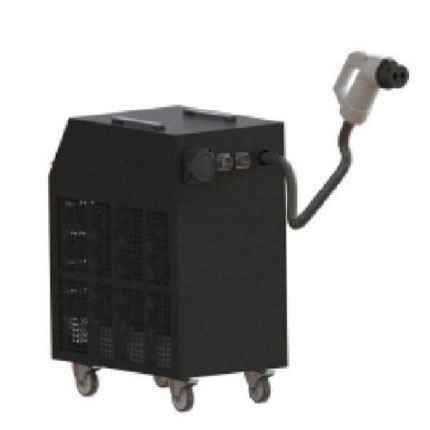

What Are the Battery Tools?
Unlike traditional corded models, battery-powered tools rely on high-capacity lithium-ion batteries, which offer stable energy output, quick charging capabilities, and extended working hours. These tools have grown in popularity because they allow workers to operate without the limitation of cords, reducing the risk of workplace accidents while enhancing mobility.
Our factory has been focusing on the design and production of advanced battery tools for years, ensuring every unit is manufactured to international standards. With the support of modern technology and strict quality control systems, we guarantee excellent performance and long product life. This aligns with the growing demand for eco-friendly and highly efficient equipment.
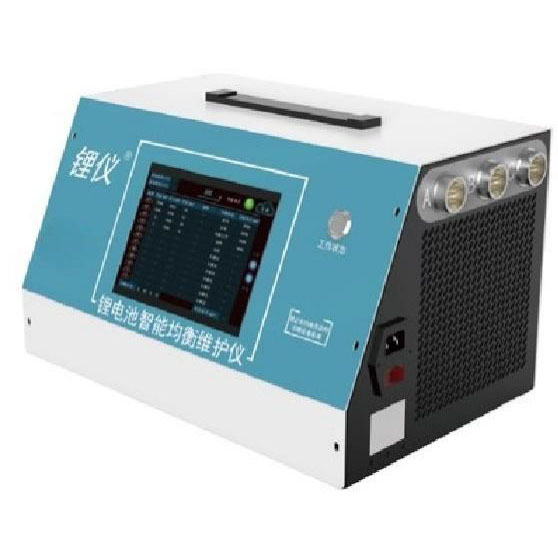
Why Are Battery Tools Important in Modern Applications?
The global shift towards portable and sustainable energy solutions has made battery-operated tools a central part of daily work. Professionals choose them not only because they cut down on preparation time but also because they can deliver power comparable to wired models. The importance of these tools lies in their versatility. From electric drills to impact wrenches and grinders, each tool is built to perform heavy-duty tasks without performance decline.
Our team integrates advanced battery management systems into each design, allowing for optimal energy efficiency. This means the user does not have to worry about frequent recharging or power drops during critical tasks. The flexibility of Battery Tools is especially valued in construction projects where electricity access is limited. Many of our partners in the automotive industry, including Wuling Automobile, utilize these tools to enhance repair efficiency and assembly precision.
What Are the Key Specifications of Battery Tools?
Technical specifications are a critical factor in demonstrating product reliability. Our factory provides detailed parameters for each product line to give buyers a transparent understanding of performance levels. The table below outlines the general specifications of our Battery Tools.
| Product Type | Battery Capacity | Voltage Range | Charging Time | Runtime (Average) | Weight (kg) |
| Cordless Drill | 4.0Ah | 18V | 45 minutes | 2-3 hours | 1.6 |
| Impact Wrench | 5.0Ah | 20V | 60 minutes | 3-4 hours | 2.2 |
| Angle Grinder | 4.0Ah | 18V | 55 minutes | 2.5 hours | 2.0 |
| Reciprocating Saw | 6.0Ah | 21V | 70 minutes | 4 hours | 3.1 |
| Rotary Hammer | 6.0Ah | 22V | 75 minutes | 4.5 hours | 3.5 |
These values reflect the balance between lightweight design and powerful output. Every unit is tested to ensure maximum safety and stability. Our ongoing research focuses on further reducing weight while enhancing power delivery, helping professionals complete tasks faster and with greater accuracy.
What Are the Long-Term Benefits of Choosing Battery Tools?
The long-term advantages of adopting these tools include lower maintenance costs, increased safety, and environmental responsibility. Since there are no fuel requirements and fewer mechanical parts than traditional gas-powered equipment, the maintenance cycle is longer and less expensive. Additionally, cordless systems reduce the possibility of tripping hazards, making them safer in fast-paced environments.
Our customers consistently highlight how the transition to battery tools contributes to cleaner and quieter workplaces. Unlike gasoline-powered alternatives, these tools operate with minimal noise, creating more comfortable conditions for workers. From an environmental perspective, the rechargeable batteries reduce waste and align with global sustainability goals. For businesses like Wuling Automobile, this also translates into a stronger corporate image and compliance with environmental standards.
Frequently Asked Questions
Q1: What are the battery tools used for?Battery tools are used in construction, automotive repair, woodworking, and home improvement projects, providing powerful performance without requiring a direct power connection. Their portability makes them suitable for both indoor and outdoor tasks, especially in areas where electricity supply is limited.
Q2: What are the battery tools advantages compared to corded models?
They offer mobility, safety, and flexibility. Unlike corded tools, they do not restrict movement or require extension cables. Modern designs provide equal or greater power output, making them a preferred choice for professionals seeking both convenience and performance.
Q3: What are the battery tools maintenance requirements?
Regular maintenance involves keeping the batteries fully charged, storing them in a dry environment, and periodically cleaning the tool surfaces. Compared to fuel-powered tools, their maintenance is simpler, with fewer components requiring replacement, which ensures long service life.
Why Should Businesses Invest in Battery Tools?
The market trend clearly shows a rising preference for battery-operated solutions. Companies that invest in advanced tools gain not only operational efficiency but also a competitive advantage. For industries that depend heavily on time management and consistent output, this investment becomes a long-term strategy rather than a short-term purchase. If you are considering upgrading your current equipment, now is the right time to choose battery-powered solutions that will carry your business into the future. Partner with us to experience the reliability and expertise that comes with years of dedication to the tool industry. SAIC GM Wuling Automobile Co., Ltd. welcomes inquiries from global partners who are ready to transform their operations with advanced battery tools.
Related News
- Service Goes Global: Wuling's After‑Sales Support Warms Overseas Markets
- SGMW's H1 2026 Sales Reach 675,204 Units, Overseas Exports Reach New Heights
- Shenlian Battery Passing All Rigorous Tests of the New National Standard with "Five‑Zero" Safety Strength
- Is the Wuling Cargo Van the Smart Choice for Urban Logistics and Commercial Transport?
- Four Certifications Boost: Binguo S's Battery Safety and Performance Stand Out
- Why Is the Hongguang S EV Becoming a Contender in the New Energy Micro-Surface Market?
Leave me a message