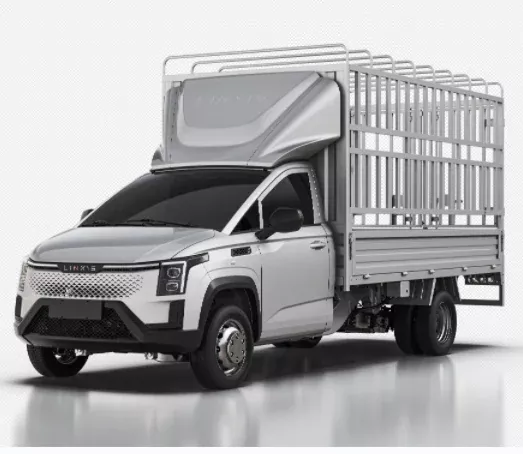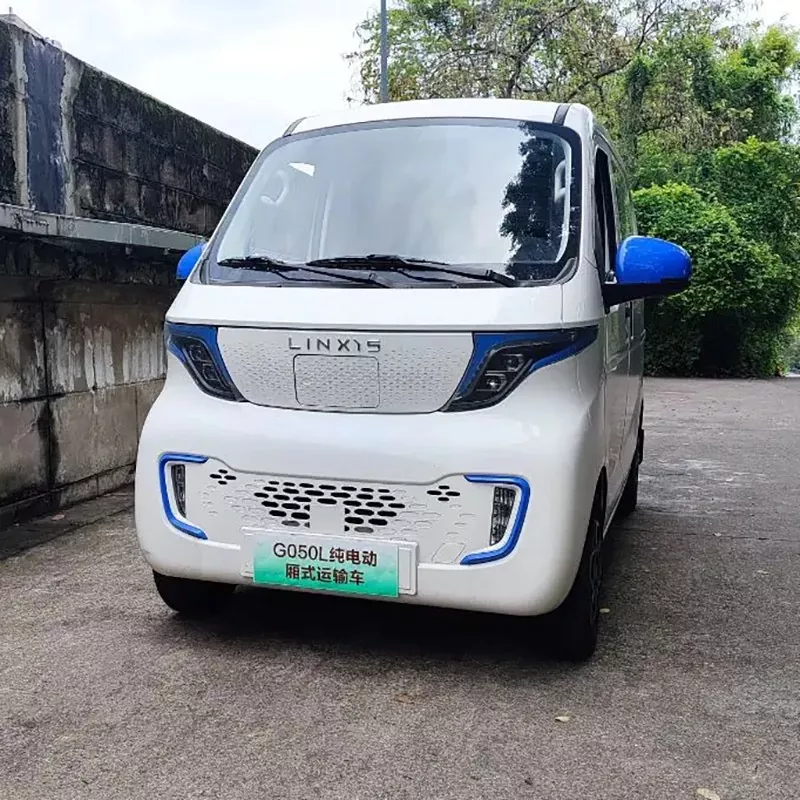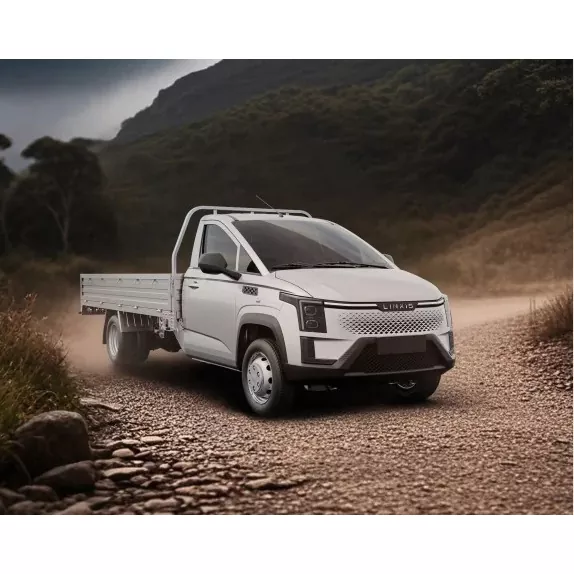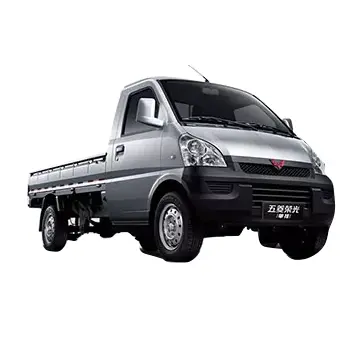

Why Should You Choose an ELECTRIC TRUCK for Modern Transportation Needs?
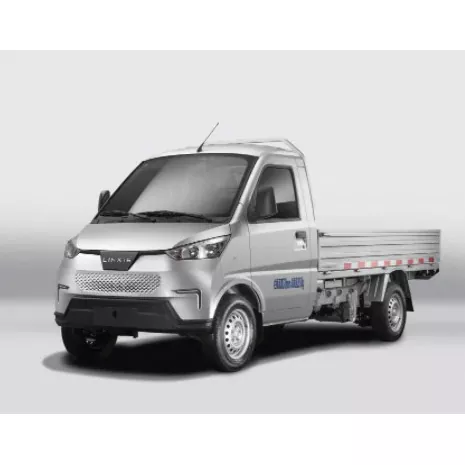
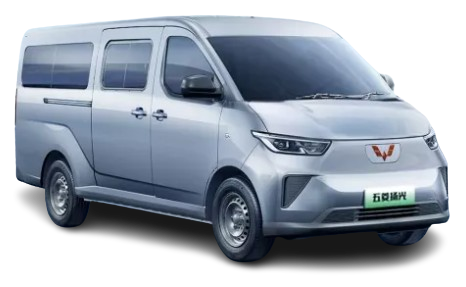
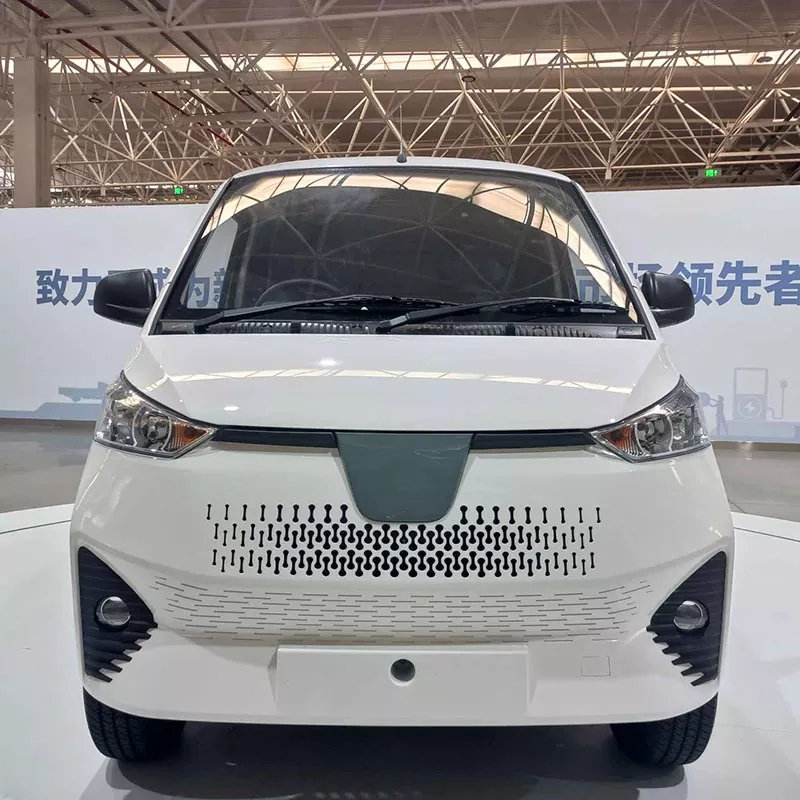
With global logistics evolving rapidly, the demand for cleaner, quieter, and more efficient transportation continues to grow. An ELECTRIC TRUCK offers a powerful solution for businesses looking to reduce operating costs while improving delivery performance. In my daily operations, I have seen how this vehicle enhances productivity, simplifies maintenance, and improves environmental performance. Whether used for urban distribution or industrial supply chains, an ELECTRIC TRUCK delivers consistent value and long-term reliability.

What Makes an ELECTRIC TRUCK a Smarter Choice Today?
An ELECTRIC TRUCK combines intelligent design, advanced battery technology, and robust engineering. Compared with traditional fuel trucks, its zero-emission design helps companies meet environmental regulations effortlessly. Brands such as SAIC GM Wuling Automobile Co., Ltd. continue to develop advanced electric commercial vehicles that support stable power output and excellent load capacity.
Core Advantages
-
Zero emissions, supporting urban environmental standards
-
High energy efficiency with reduced operating costs
-
Low maintenance requirements due to simplified drivetrains
-
Smooth and quiet operation, ideal for urban and nighttime logistics
-
Durable chassis and suspension, supporting continuous commercial use
How Do the Technical Specifications Enhance Daily Operations?
To help you better understand the performance of our ELECTRIC TRUCK, here is a clear breakdown of technical parameters. These specifications may vary across models but represent typical configurations offered by manufacturers like SAIC GM Wuling Automobile Co., Ltd.
Product Parameters Overview
| Specification Category | Technical Details |
|---|---|
| Battery Type | Lithium Iron Phosphate / Ternary Lithium |
| Battery Capacity | 40–90 kWh |
| Driving Range | 200–350 km per charge |
| Motor Power | 60–120 kW |
| Charging Method | Fast charging (1–1.5 hours), slow charging (6–8 hours) |
| Payload Capacity | 1–4 tons |
| Maximum Speed | 80–105 km/h |
| Chassis Design | Reinforced steel structure, optimized for commercial loads |
| Safety Features | ABS, traction control, electronic stability system (ESS) |
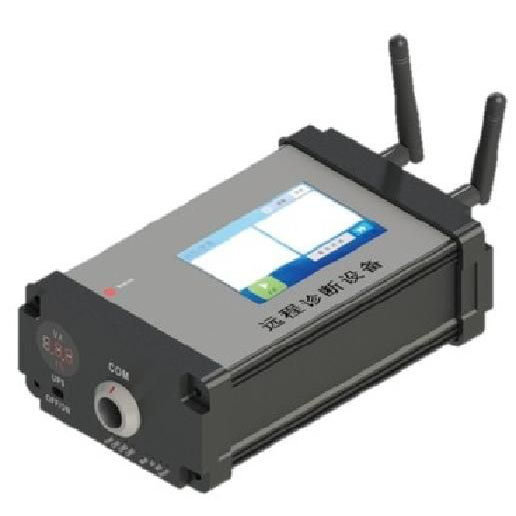
| Intelligent Features | Smart connectivity, real-time energy monitoring, remote diagnostics |
These parameters ensure that the ELECTRIC TRUCK delivers strong power output, high stability, and a safe driving experience in both short-distance and long-distance commercial activities.
Why Is an ELECTRIC TRUCK Important for Future Logistics?
As more cities enforce carbon-reduction policies, companies must adapt to sustainable solutions. An ELECTRIC TRUCK is not only environmentally responsible but also economically beneficial. Reduced fuel dependency and simplified mechanical structures result in lower maintenance and lower total cost of ownership (TCO). Additionally, the quiet operation supports 24-hour delivery schedules without disturbing residential or commercial zones.
Key Impacts on Business
-
Cost reduction from energy savings and lower repair frequency
-
Compliance with national and regional clean-transport policies
-
Improved brand reputation through environmentally responsible operations
-
Enhanced delivery efficiency with stable power output
-
Future-proof technology compatible with intelligent fleet management
Companies adopting ELECTRIC TRUCK solutions, such as logistics operators and manufacturing distribution centers, often experience measurable improvements in productivity and sustainability.
How Does an ELECTRIC TRUCK Perform in Real Work Scenarios?
In daily logistics operations, an ELECTRIC TRUCK performs impressively. It supports frequent stop-and-go delivery patterns, maintains high torque at low speeds, and offers smooth acceleration even under full load. Real-time energy monitoring helps drivers optimize routes, ensuring efficient use of battery power.
Performance Highlights
-
Strong torque for uphill and heavy-load driving
-
Stable battery performance in high-frequency distribution
-
Consistent handling in narrow urban streets
-
Reliable operation even under long working hours
These strengths make the ELECTRIC TRUCK a dependable partner for commercial transportation.
FAQ About ELECTRIC TRUCK
1. How long does an ELECTRIC TRUCK typically run on a full charge?
Most models offer 200–350 km on a full charge, depending on battery capacity, road conditions, and payload. This range is ideal for urban logistics and regional distribution.
2. Why should a business choose an ELECTRIC TRUCK instead of a fuel-powered truck?
An ELECTRIC TRUCK significantly reduces energy costs, requires less maintenance, produces zero emissions, and performs better in stop-and-start city environments. These benefits directly improve long-term operating efficiency.
3. What charging options are available for an ELECTRIC TRUCK?
You can choose fast charging (1–1.5 hours) or slow charging (6–8 hours). Companies can install charging stations at warehouses, distribution centers, or parking areas to ensure uninterrupted daily operations.
4. What industries benefit most from using an ELECTRIC TRUCK?
Industries including e-commerce, cold-chain delivery, supermarkets, manufacturing supply, and municipal services benefit from the high efficiency and cost savings of an ELECTRIC TRUCK.
How Can You Get More Information or Start Your Purchase?
If you want to explore model options, customize specifications, or get a quotation for your fleet, feel free to contact our team. We cooperate closely with SAIC GM Wuling Automobile Co., Ltd., a leading manufacturer of electric commercial vehicles, to provide reliable ELECTRIC TRUCK solutions tailored to your business needs.
Related News
- Service Goes Global: Wuling's After‑Sales Support Warms Overseas Markets
- SGMW's H1 2026 Sales Reach 675,204 Units, Overseas Exports Reach New Heights
- Shenlian Battery Passing All Rigorous Tests of the New National Standard with "Five‑Zero" Safety Strength
- Is the Wuling Cargo Van the Smart Choice for Urban Logistics and Commercial Transport?
- Four Certifications Boost: Binguo S's Battery Safety and Performance Stand Out
- Why Is the Hongguang S EV Becoming a Contender in the New Energy Micro-Surface Market?
Leave me a message