
What Are the Essential EV Repair Tools For a Beginner?
As electric vehicles (EVs) continue to gain popularity, the demand for skilled technicians and enthusiasts capable of maintaining and repairing these advanced machines is growing. For beginners entering the field of EV repair, having the right tools is not just about efficiency—it's primarily about safety. Working on high-voltage systems requires specialized equipment designed to handle unique challenges and minimize risks. This guide outlines the essential EV repair tools every beginner should have, with detailed product parameters and safety considerations to build a solid foundation for working on electric vehicles.
Why Specialized Tools Are Critical for EV Repair
Unlike traditional internal combustion engine vehicles, EVs operate with high-voltage systems, often ranging from 200 to 800 volts. These systems power the battery, electric motor, and control units. A mistake with an incorrect tool can lead to fatal electrocution or severe damage to sensitive electronic components. Therefore, investing in purpose-built EV repair tool kits is non-negotiable for safety and effectiveness. Our factory emphasizes that using tools specifically designed for EV repair ensures not only the technician's safety but also the integrity of the vehicle's complex systems.
Essential EV Repair Tools: A Detailed List for Beginners
1. Insulated Hand Tools
Purpose: To protect against electrical shock when working on or near energized high-voltage components.
Why Beginners Need Them: Insulated tools are the first line of defense. They feature non-conductive coatings that prevent electricity from passing through the tool to the user's hand. A basic set should include screwdrivers, pliers, wrenches, sockets, and spanners.
2. Digital Multimeter (DMM)
Purpose: To measure voltage, current, resistance, and continuity in electrical systems.
Why Beginners Need Them: Essential for diagnosing battery issues, checking circuit integrity, and ensuring safe working conditions before starting repairs.
3. Personal Protective Equipment (PPE)
Purpose: To create multiple layers of protection against electrical hazards, arc flashes, and other risks.
Why Beginners Need Them: Redundancy is key in EV repair safety. PPE is the first layer of defense and is crucial for any high-voltage work.
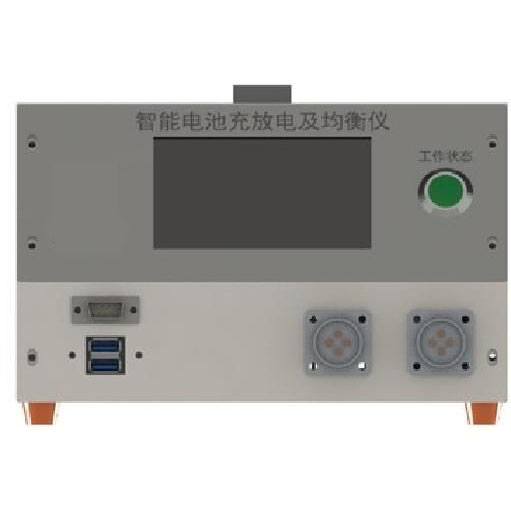
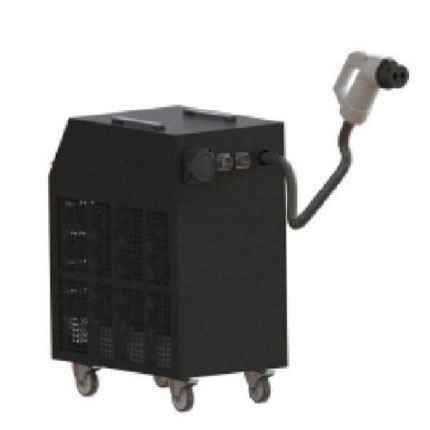
4. Battery Analyzer
Purpose: To assess the health and performance of EV batteries, which are the heart of electric vehicles.
Why Beginners Need Them: Battery issues are common in EVs, and this tool helps measure capacity, detect weak cells, predict remaining life, and balance battery cells.
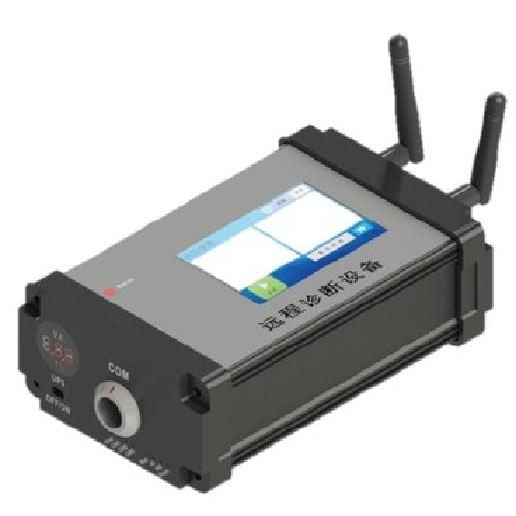
5. Diagnostic Scan Tool with EV Capabilities
Purpose: To read and interpret error codes from the complex electronic systems in EVs.
Why Beginners Need Them: EVs are packed with computers controlling the battery, motor, and other systems. A specialized scan tool saves time by pinpointing issues quickly.
Tool Comparison Table for Beginners
| Tool Category | Purpose | Key Parameters | Why Essential for Beginners |
| Insulated Hand Tools | Protect against electrical shock | VDE certification, 1000V rating, non-conductive coating | First line of defense; prevents fatal electrocution |
| Digital Multimeter | Measure electrical parameters | CAT III/CAT IV rating, AC/DC voltage, current, resistance | Diagnoses basic electrical issues safely |
| PPE Kit | Multiple safety layers | Class 0 gloves, face shield, insulated footwear | Redundant protection against high-voltage risks |
| Battery Analyzer | Test battery health & capacity | Compatibility with EV batteries, capacity testing | Identifies common battery problems early |
| Diagnostic Scan Tool | Read EV-specific error codes | Access to battery management systems, connectivity options | Saves time on diagnostics; avoids guesswork |
| Insulation Resistance Tester | Check insulation integrity | Megohm measurement, test voltage options | Prevents short circuits and leakage hazards |
| Insulated Torque Wrench | Precise tightening of components | Insulated handle, adjustable torque range | Ensures safety and reliability of connections |
| Thermal Imaging Camera | Detect overheating components | Thermal resolution, temperature range | Finds hidden issues before they cause failures |
Beginner-Friendly EV Repair Tool Kits
For those just starting out, purchasing individual tools can be overwhelming. Our factory offers curated kits that bundle essential tools together. These kits often include:
1. A set of insulated hand tools (screwdrivers, pliers, wrenches).
2. A digital multimeter with CAT III or IV rating.
3. Basic PPE like insulated gloves and safety goggles.
4. A diagnostic tool compatible with common EV models, including those from Wuling Auto.
Investing in a kit ensures that beginners have a solid foundation without the hassle of selecting each tool separately. It also often comes at a more economical price point than buying items individually.
Safety First: Setting Up Your Workspace
Having the right EV repair tool is only part of the equation. Beginners must also organize their workspace for safety:
1. Designate a High-Voltage Zone: Mark an area specifically for EV work with insulated mats and clear signage.
2. Use Lockout/Tagout (LOTO) Kits: These prevent accidental energization of systems during maintenance.
3. Have an Emergency Plan: Keep a rescue hook nearby to safely move someone away from an electrical hazard, and consider an automated external defibrillator (AED) for critical emergencies.
Our commitment at our factory is to ensure that every technician, especially beginners, understands that safety is paramount. Proper training and a respectful approach to high-voltage systems are as important as the tools themselves.
Frequently Asked Questions (FAQs)
Q: What is the most important tool for a beginner starting EV repair?
A: The most critical tool is a set of insulated hand tools. These provide the fundamental protection needed when working near high-voltage components. Without them, the risk of electrical shock is significantly higher. Insulated tools like screwdrivers, pliers, and wrenches are certified to prevent current from passing through to the user, making them the foundation of EV repair safety.
Q: Can I use my existing automotive diagnostic scan tool for EVs?
A: Not necessarily. While some general scan tools can read basic codes, EVs require a diagnostic tool capable of accessing proprietary systems like the battery management system (BMS), hybrid control modules, and electric drive components. Beginners should invest in a scan tool designed specifically for EVs to ensure accurate diagnostics and avoid missing critical issues.
Q: Why is a thermal imaging camera considered an essential tool for EV beginners?
A: A thermal imaging camera helps beginners visualize heat patterns in electrical systems, which are often invisible to the naked eye. It can detect overheating connections, faulty components, or coolant leaks before they lead to major failures or safety hazards. This proactive diagnostic capability is invaluable for maintaining EV safety and reliability.
Why Choose Us?
Embarking on the journey of EV repair as a beginner is an exciting opportunity to be part of the future of automotive technology. Equipping yourself with the right tools—from insulated hand tools and multimeters to diagnostic scanners and PPE—is not just an investment in your craft but a necessary commitment to safety. Remember, quality matters. Choosing reliable, certified tools ensures they will perform when you need them most. At SAIC GM Wuling Automobile Co., Ltd., we are dedicated to supporting the next generation of EV technicians. We design our vehicles and support the development of repair tools with innovation, safety, and accessibility in mind. Explore our range of resources and consider our recommended EV repair tool kits to start your journey with confidence.
Related News
- Service Goes Global: Wuling's After‑Sales Support Warms Overseas Markets
- SGMW's H1 2026 Sales Reach 675,204 Units, Overseas Exports Reach New Heights
- Shenlian Battery Passing All Rigorous Tests of the New National Standard with "Five‑Zero" Safety Strength
- Is the Wuling Cargo Van the Smart Choice for Urban Logistics and Commercial Transport?
- Four Certifications Boost: Binguo S's Battery Safety and Performance Stand Out
- Why Is the Hongguang S EV Becoming a Contender in the New Energy Micro-Surface Market?
Leave me a message