
What Makes New Energy Vehicles the Smarter Choice for Modern Transportation?
New Energy Vehicles (NEVs) have rapidly become one of the most influential forces driving the global automotive shift toward cleaner, smarter, and more efficient mobility. As governments strengthen environmental regulations and consumers pursue cost-effective transportation, NEVs offer a powerful solution that blends innovation with practicality. This article explores the essential functions, performance advantages, and product parameters of New Energy Vehicles, providing a structured, professional, and highly readable guide for buyers, businesses, and distributors.

What Are New Energy Vehicles and Why Are They Transforming the Automotive Industry?
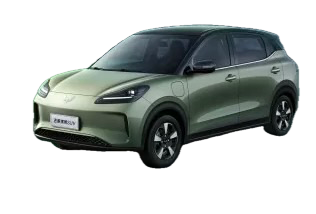
New Energy Vehicles refer to automobiles that use unconventional power systems, primarily including battery electric vehicles (BEVs), plug-in hybrid electric vehicles (PHEVs), and range-extended electric vehicles (REEVs). These vehicles significantly reduce or fully eliminate tailpipe emissions while improving energy efficiency compared with traditional internal combustion engine (ICE) cars.
The key reasons NEVs are reshaping the industry include:
-
Lower environmental impact through reduced carbon emissions.
-
Higher energy efficiency with advanced electric powertrains.
-
Reduced long-term ownership costs due to fewer mechanical parts and lower fuel expenses.
-
Smarter vehicle ecosystems, integrating AI-assisted driving, intelligent cockpit features, and real-time connectivity.
NEVs are no longer future transportation—they are the present and ongoing global standard.
How Do New Energy Vehicles Deliver Better Performance and User Experience?
Modern New Energy Vehicles deliver performance that rivals—and often exceeds—traditional gasoline cars. This improvement comes from advancements in battery technology, electric motor efficiency, and integrated smart systems.
Key Performance Advantages
-
Instant torque for faster acceleration
-
Low maintenance demand due to fewer moving parts
-
Quiet and smooth driving experience
-
Strong energy recuperation through regenerative braking
-
Longer service life with advanced battery thermal management systems
Which Core Parameters Define the Quality of New Energy Vehicles?
The following table highlights typical technical specifications used to evaluate NEVs, reflecting industry standards and optimal performance indicators.
Product Parameter Overview for New Energy Vehicles
| Parameter | Specification Range | Description |
|---|---|---|
| Battery Type | Lithium-ion / LFP / Ternary Lithium | Determines safety, cycle life, and power performance |
| Battery Capacity | 30–80 kWh | Influences driving range on a single charge |
| Driving Range | 300–600+ km | Based on CLTC or WLTP testing standards |
| Motor Power | 100–150 kW | Impacts acceleration and climbing ability |
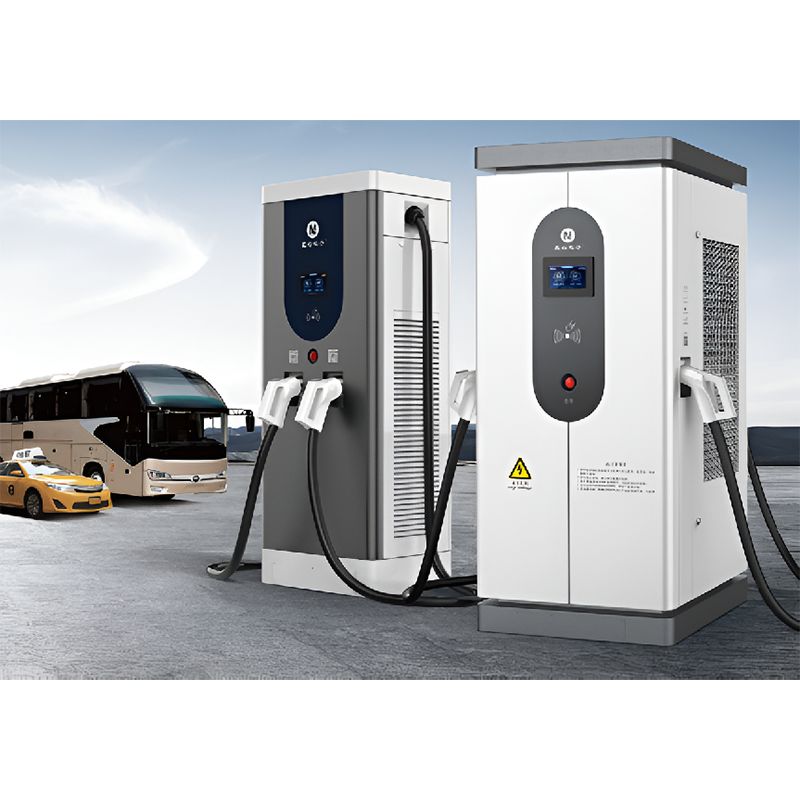
| Charging Time | Fast charge 30–45 mins / Slow charge 6–10 hrs | Varies by charging infrastructure |
| Energy Consumption | 12–16 kWh per 100 km | Measures overall efficiency |
| Safety Features | ABS, ESC, airbags, high-strength frame, battery protection | Ensures safety for daily operation |
| Smart Functions | Smart cockpit, OTA updates, adaptive cruise, parking assist | Enhances driving convenience |
These parameters help consumers clearly compare NEVs and evaluate whether a model meets their expectations for performance, efficiency, and safety.
Why Do New Energy Vehicles Offer Greater Practical Value Compared to Fuel Vehicles? (NEVs vs. Gasoline Cars)
Cost Efficiency
NEVs significantly reduce fuel expenses. Charging an electric vehicle is much cheaper than filling a gasoline tank, especially in regions with preferential electricity rates.
Maintenance Savings
Electric powertrains minimize the need for:
-
engine oil
-
spark plugs
-
transmission repairs
-
exhaust system replacements
This results in lower lifetime maintenance costs.
Environmental Benefits
NEVs help reduce urban air pollution and CO₂ emissions, supporting global sustainability goals.
Enhanced Technology Integration
NEVs often include:
-
voice-controlled smart cockpit
-
large infotainment screens
-
over-the-air (OTA) system upgrades
-
integrated safety sensors
Gasoline cars rarely match this level of technological advancement.
How to Choose the Best New Energy Vehicle for Your Daily Needs?
When selecting an NEV, consider these factors:
-
Driving Habits – Long-distance travelers may prefer large-capacity batteries.
-
Charging Conditions – Access to home or workplace charging increases convenience.
-
Budget – Evaluate long-term cost savings beyond the purchase price.
-
Usage Purpose – Family, commuting, business, or logistics applications require different configurations.
-
Brand Reliability – Reputable brands offer better after-sales, battery safety, and technology support.
FAQ About New Energy Vehicles
Q1: What advantages do New Energy Vehicles offer compared with traditional fuel cars?
A1: NEVs offer lower operating costs, reduced emissions, quiet operation, and advanced intelligent systems. They require less maintenance and are more energy-efficient over long-term use.
Q2: What is the typical driving range of New Energy Vehicles?
A2: Most modern NEVs provide a driving range between 300 and 600 km, depending on battery capacity, motor efficiency, and driving conditions. Premium models may exceed 700 km.
Q3: How long does it take to charge New Energy Vehicles?
A3: Fast charging typically takes 30–45 minutes to reach 80% capacity, while slow charging takes 6–10 hours. Charging time varies based on battery capacity and charger specifications.
Q4: Are New Energy Vehicles safe in extreme weather conditions?
A4: Yes. High-quality NEVs include advanced battery thermal management systems that stabilize battery temperature in both hot and cold climates, ensuring safe and reliable operation.
Why New Energy Vehicles Are an Investment in the Future
As global markets push toward electrification, NEVs offer unmatched sustainability, technological innovation, and long-term economic benefits. They are well-positioned to dominate future transportation, making them a smart choice for environmentally conscious and performance-oriented buyers.
Contact Us
For professional consultation, partnership opportunities, or product details related to our New Energy Vehicles, please contact:
SAIC GM Wuling Automobile Co., Ltd.
We look forward to supporting your transition toward cleaner and more intelligent mobility solutions.
Related News
- Service Goes Global: Wuling's After‑Sales Support Warms Overseas Markets
- SGMW's H1 2026 Sales Reach 675,204 Units, Overseas Exports Reach New Heights
- Shenlian Battery Passing All Rigorous Tests of the New National Standard with "Five‑Zero" Safety Strength
- Is the Wuling Cargo Van the Smart Choice for Urban Logistics and Commercial Transport?
- Four Certifications Boost: Binguo S's Battery Safety and Performance Stand Out
- Why Is the Hongguang S EV Becoming a Contender in the New Energy Micro-Surface Market?
Leave me a message