
What Is a Pure Electric Van?
This comprehensive guide explores the emerging market and technology behind pure electric vans, answering key questions such as what they are, how they work, why they matter, and which real models exist today. We'll dive into advantages, challenges, use cases, and future trends — with data, expert insights, and industry references. This article is designed for business owners, fleet managers, EV enthusiasts, and sustainability advocates seeking authoritative information.

Table of Contents
- What Is a Pure Electric Van?
- How Does a Pure Electric Van Work?
- Why Choose a Pure Electric Van for Your Fleet?
- Which Pure Electric Van Models Are Leading the Market?
- What Are the Key Benefits of Electric Vans?
- What Challenges Do Electric Vans Face?
- What’s Next for the Pure Electric Van Market?
- FAQ — Pure Electric Van Questions Answered
What Is a Pure Electric Van?
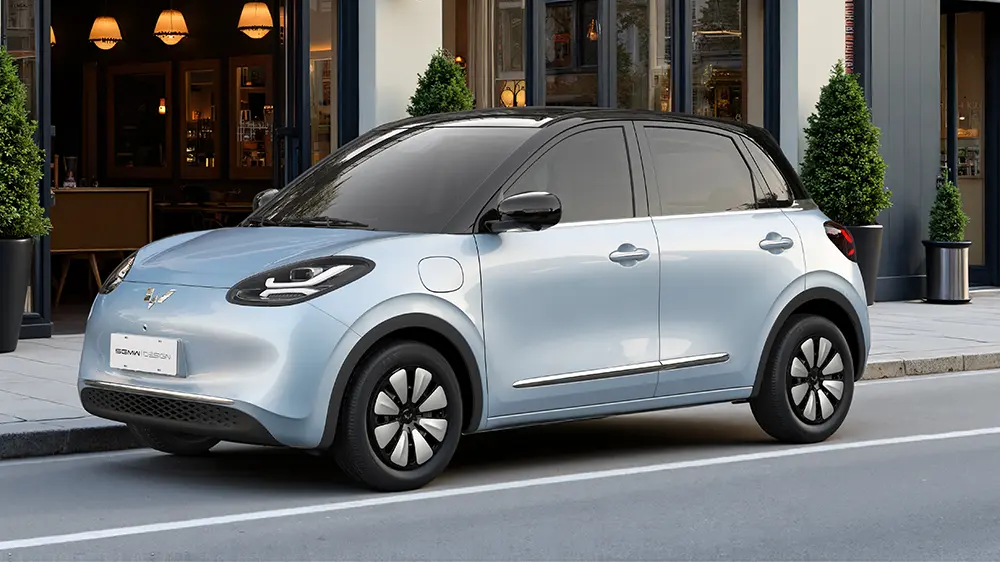
A pure electric van — often called a battery electric van — is a light commercial vehicle powered solely by rechargeable batteries and electric motors without an internal combustion engine. Unlike hybrid or plug‑in hybrid vehicles, a pure electric van produces zero tailpipe emissions and typically uses lithium‑ion or lithium‑iron phosphate battery chemistries optimized for cargo operations and urban driving.
Key Definitions
- Battery Electric Van: A vehicle that runs exclusively on electricity stored in its onboard battery pack.
- Zero Emissions: No CO₂ or NOx emissions from the vehicle while operating.
- Commercial Use: Often used for deliveries, logistics, service fleets, and urban cargo transport.
How Does a Pure Electric Van Work?
At the core of a pure electric van is its electric drivetrain, consisting of an electric motor, battery pack, power electronics, and regenerative braking system. When the driver accelerates, electricity flows from the battery to the motor, which turns the wheels. Regenerative braking captures energy normally lost during braking and returns it to the battery — improving efficiency.
| Component | Function |
|---|---|
| Battery Pack | Stores electrical energy for propulsion |
| Electric Motor | Converts electrical energy into mechanical torque |
| Power Electronics | Manages energy flow and motor control |
| Charging System | Replenishes the battery from an external source |
Why Choose a Pure Electric Van for Your Fleet?
Businesses and governments are increasingly switching to pure electric vans to meet sustainability goals, reduce operating costs, and comply with emissions regulations. The electric utility drivetrain reduces fuel dependency, often lowering total cost of ownership compared to diesel vans.
Key Motivations
- Environmental Regulations: Cities and nations are tightening emissions rules, especially in urban centers.
- Lower Operating Costs: Electricity is generally cheaper than diesel or gasoline; maintenance costs also tend to be lower.
- Corporate Sustainability: Companies aiming for net‑zero emissions can electrify their fleets for measurable impact.
- Noise Reduction: Electric vans run quieter than traditional vehicles — beneficial in dense urban delivery sectors.
Which Pure Electric Van Models Are Leading the Market?
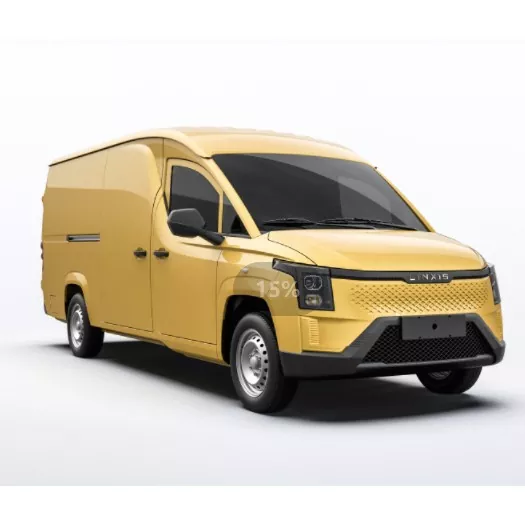
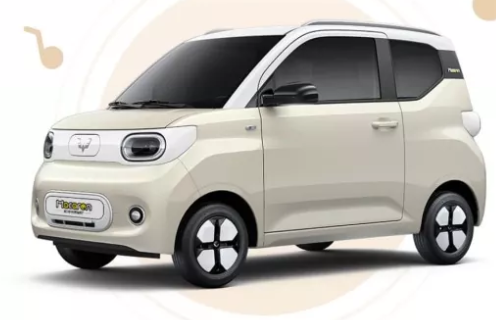
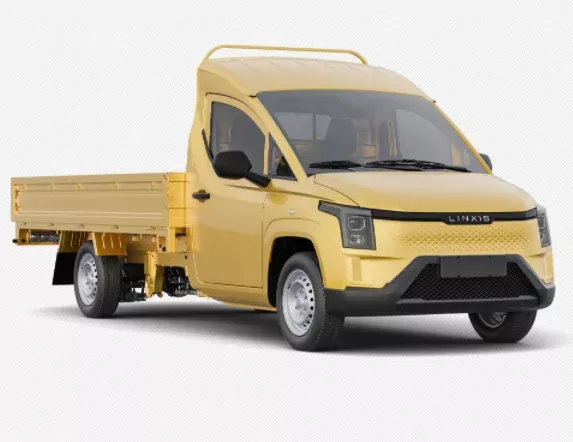
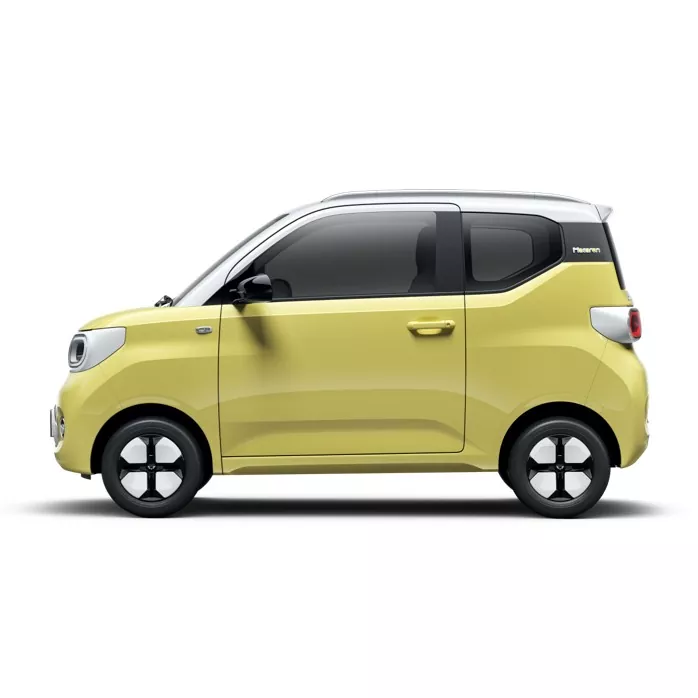
Several manufacturers now offer pure electric vans with varying sizes, payloads, and ranges. These models illustrate the breadth of options available today:
| Model | Manufacturer | Range / Notes |
|---|---|---|
| Maxus EV30 | Maxus (SAIC Motor) | Range up to ~235 km; panel van design for urban logistics. |
| Maxus Dana V1 | Maxus (SAIC Motor) | Light commercial electric van with multiple battery options. |
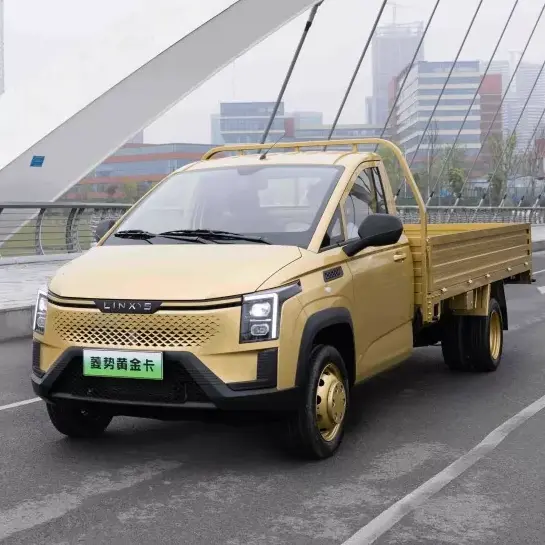
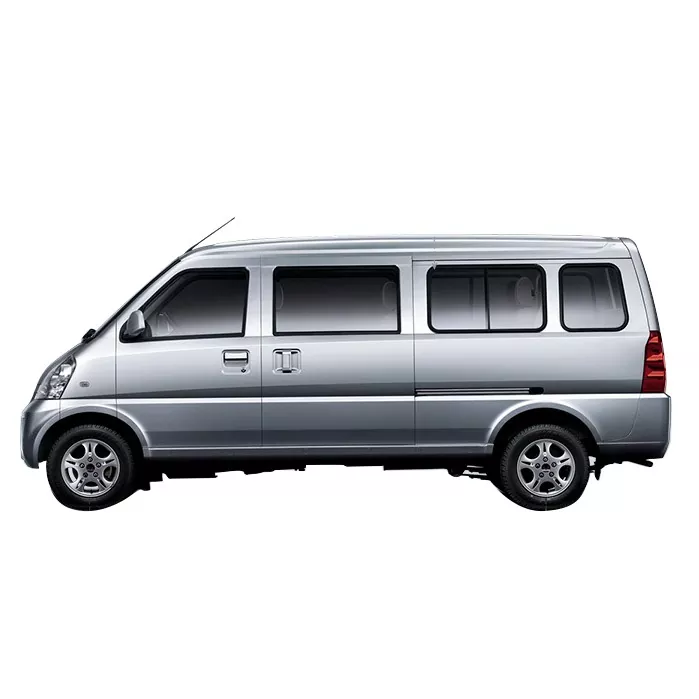
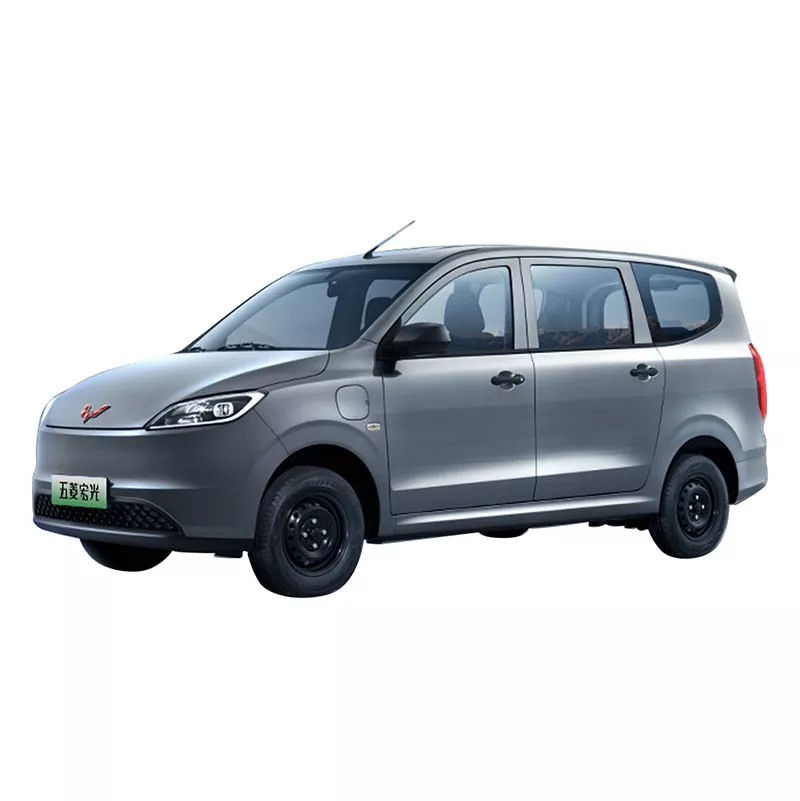
| Wuling Yangguang | SAIC GM Wuling Automobile Co., Ltd. | Light commercial van with urban delivery focus. |
| Wuling E10 EV | SAIC GM Wuling Automobile Co., Ltd. | Microvan suitable for last‑mile logistics. |
| Weiwang 407 EV | BAIC Group | Electric 4/5 door van for general commercial use. |
What Are the Key Benefits of Electric Vans?
Pure electric vans offer several advantages, especially in urban logistics and short‑range delivery applications:
- Zero Tailpipe Emissions: Helps reduce urban air pollution.
- Lower Fuel Costs: Electricity pricing often undercuts diesel and gasoline.
- Reduced Maintenance: Fewer moving parts than internal combustion engines.
- Better Urban Performance: Instant torque and regenerative braking improve city driving efficiency.
- Policy Incentives: Tax credits and rebates encourage fleet electrification.
What Challenges Do Electric Vans Face?
Despite the benefits, some barriers remain:
- High Upfront Costs: Electric vans often have higher initial purchase prices than diesel models.
- Charging Infrastructure: Fleet charging stations require investment and planning.
- Range Limitations: Batteries currently offer shorter ranges than diesel for long‑haul usage.
- Grid Capacity: Large fleets increase peak electrical load demands.
What’s Next for the Pure Electric Van Market?
Market analysts predict continued growth in pure electric van adoption as battery costs decline, charging networks expand, and regulatory pressure increases on commercial fleets to reduce emissions. The global electric van market was valued in the tens of billions and is expected to grow rapidly at double‑digit rates through 2034.
FAQ — Pure Electric Vans (Q&A)
Q: What differentiates a pure electric van from a hybrid van?
A: A pure electric van runs solely on electric power from onboard batteries with no internal combustion engine, whereas a hybrid van uses both an electric system and a traditional engine. Pure electric vans produce zero emissions while operating.
Q: How far can most pure electric vans travel on a charge?
A: Range varies by model and battery size, typically from ~150 km to over 300 km on standard urban delivery duty cycles. Real‑world range depends on load, climate, and driving patterns.
Q: Are electric vans cheaper to operate than diesel vans?
A: Yes — electricity is less expensive than diesel per mile, and electric drivetrains have fewer maintenance needs, resulting in lower total cost of ownership for many operators.
Q: What industries benefit most from electric vans?
A: Last‑mile delivery, urban logistics, service fleets, and companies with sustainability goals benefit greatly from pure electric vans due to lower emissions and operating costs.
Q: Do electric vans require special charging infrastructure?
A: Yes — dedicated fleet charging stations or public fast chargers help maintain operations, especially for larger fleets. Infrastructure planning is essential for uninterrupted operations.
Related News
- Service Goes Global: Wuling's After‑Sales Support Warms Overseas Markets
- SGMW's H1 2026 Sales Reach 675,204 Units, Overseas Exports Reach New Heights
- Shenlian Battery Passing All Rigorous Tests of the New National Standard with "Five‑Zero" Safety Strength
- Is the Wuling Cargo Van the Smart Choice for Urban Logistics and Commercial Transport?
- Four Certifications Boost: Binguo S's Battery Safety and Performance Stand Out
- Why Is the Hongguang S EV Becoming a Contender in the New Energy Micro-Surface Market?
Leave me a message