
What Is an Electric Mini Van?
The electric mini van is emerging as a key segment within the broader electric vehicle (EV) market. This article explores what exactly an electric mini van is, how it works, why it’s gaining attention, which current and upcoming models are significant, and what future trends could shape this niche. We also highlight examples like the contributions from SAIC GM Wuling Automobile Co., Ltd. and others to illustrate real-world developments.

Table of Contents
- What Is an Electric Mini Van?
- How Does an Electric Mini Van Work?
- Why Are Electric Mini Vans Trending Now?
- Which Are the Top Electric Mini Van Models?
- What Future Trends Should You Watch?
- FAQ
- Conclusion & Contact
What Is an Electric Mini Van?
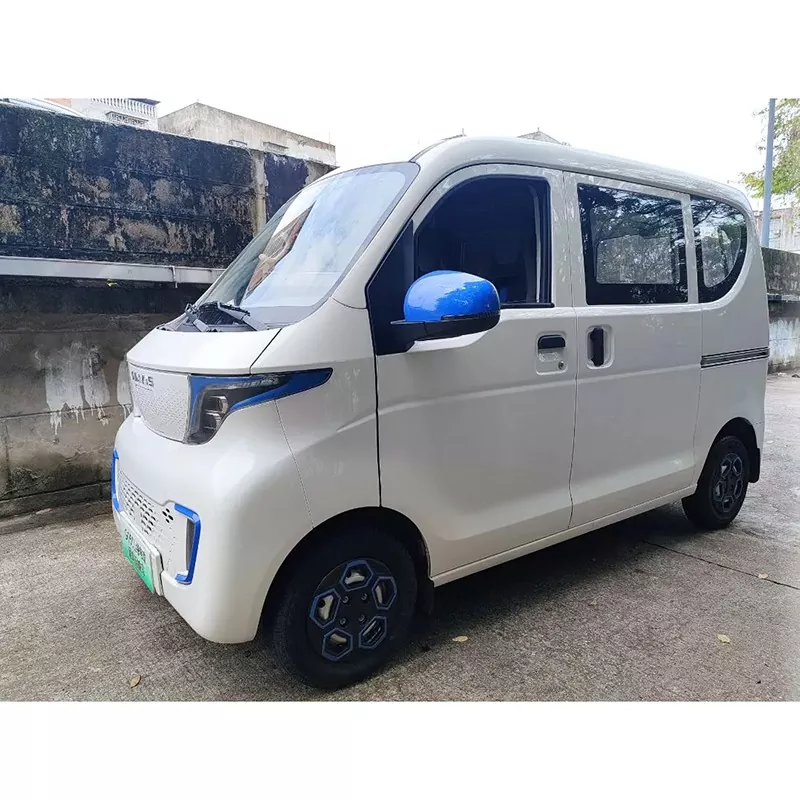
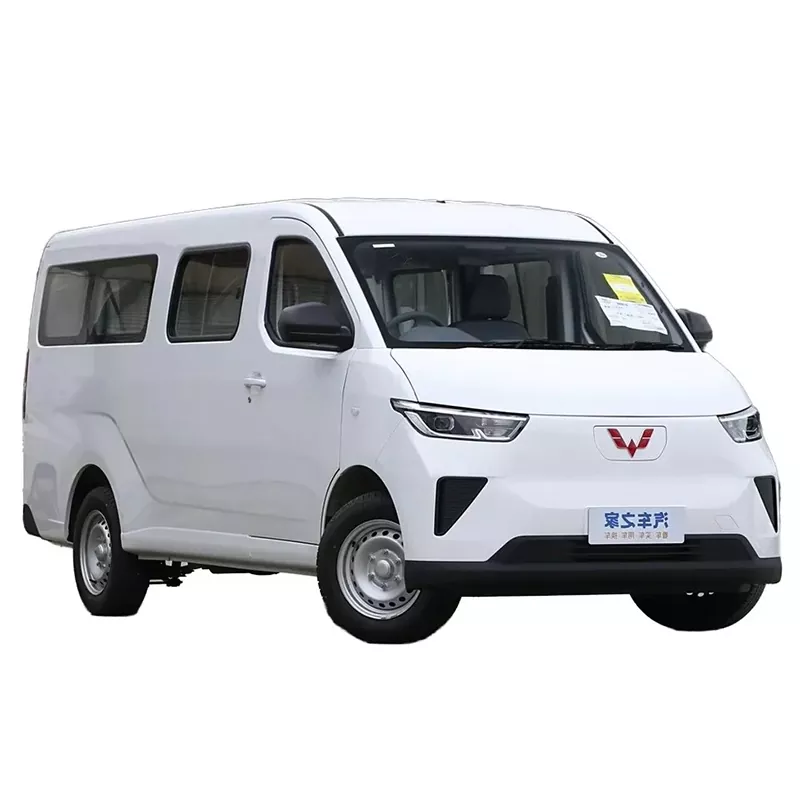
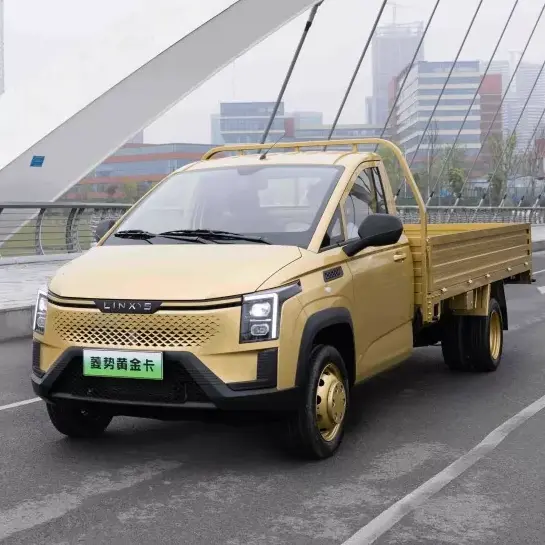
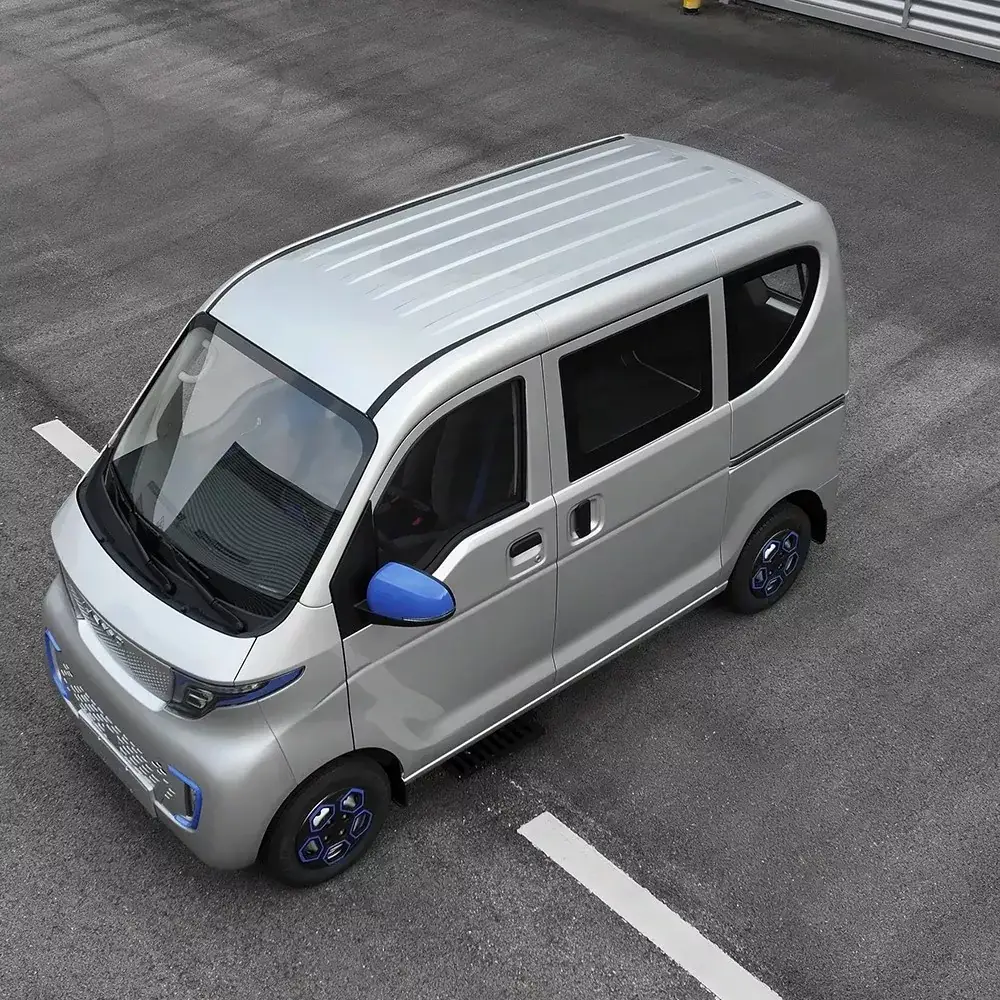
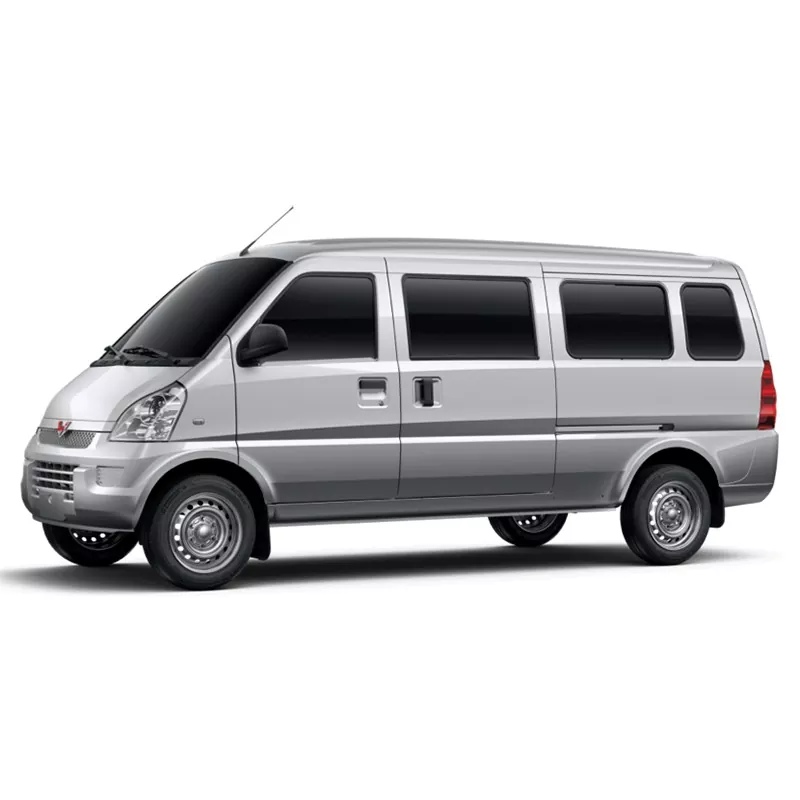
An electric mini van is a compact, battery‑powered van designed for passengers, commercial cargo, or a blend of both. These vehicles leverage electric powertrains instead of traditional gasoline engines, offering cleaner, quieter operation and often improved efficiency for urban and peri‑urban driving.
Key Characteristics
- Battery‑electric propulsion with zero tailpipe emissions.
- Compact form factor for city navigation and parking ease.
- Flexible interiors for seats and cargo.
- Often equipped with advanced driver assistance systems (ADAS) and connectivity features.
How Does an Electric Mini Van Work?
Electric mini vans function similarly to other battery electric vehicles (BEVs), with a few specific design considerations:
- Battery Pack: Lithium‑ion or LFP battery packs provide energy storage.
- Electric Motor: A single or dual electric motor converts electrical energy to mechanical motion.
- Charging System: These vans can be charged at home or at public Charge Points, with some capable of DC fast charging.
- Regenerative Braking: Batteries are partially recharged during deceleration.
The simplicity of electric powertrains — fewer moving parts and no internal combustion engine — often results in lower maintenance costs compared to traditional vans.
Why Are Electric Mini Vans Trending Now?
Interest in electric mini vans is rising due to multiple factors:
- Urbanization and sustainability trends: Cities are encouraging low‑emission transport.
- Increasing consumer search demand: Search volumes around electric minivans are growing year‑on‑year.
- Advances in EV technology: Better range, ADAS, and connectivity.
- Fleet electrification needs: Companies seek cost‑efficient electric delivery and shuttle vehicles.
Which Are the Top Electric Mini Van Models?
Here’s a comparison of notable electric mini van models available now or soon:
| Model | Type | Manufacturer | Key Features |
|---|---|---|---|
| Wuling Starlight 730 EV | Mid‑Size Minivan | SAIC GM Wuling Automobile Co., Ltd. | Electric option with up to ~500 km range (CLTC) and sliding doors. |
| Wuling EV80 | Urban Logistics Van | Wuling | Battery EV with ~330 km range for commercial delivery. |
| VinFast EC Van | Mini Van (Kei Class) | VinFast | Compact electric van designed for city use. |
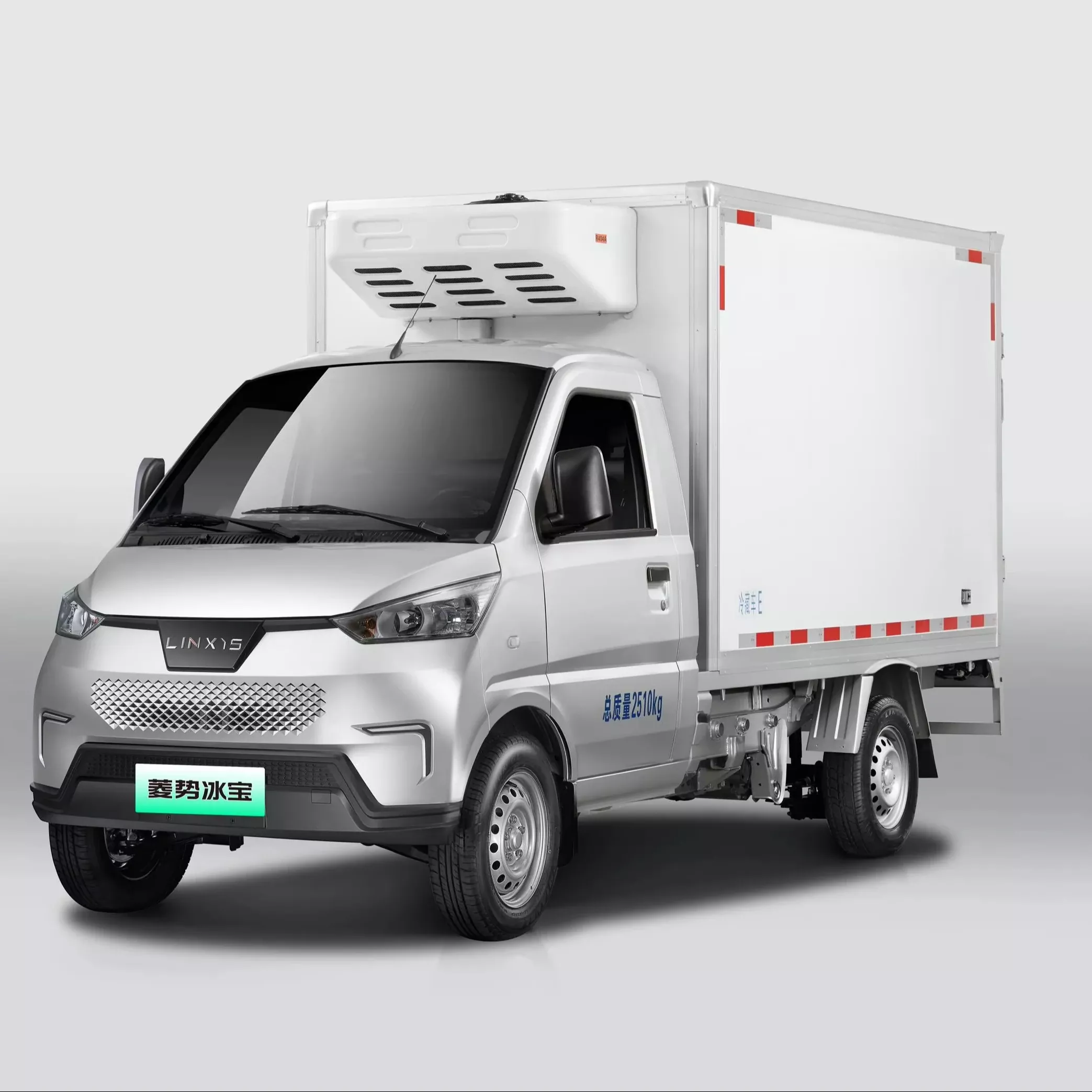
| Wuling Sunshine EV Mini Van | Compact Mini Van | SAIC GM Wuling Automobile Co., Ltd. | Small, efficient EV van for urban cargo/passenger use. |
These examples show the diversity — from compact cargo‑focused designs to mid‑size passenger vans suitable for families or fleets.
What Future Trends Should You Watch?
The electric mini van segment is evolving quickly. Some key trends include:
- Enhanced ADAS and semi‑autonomous tech: More safety and convenience features.
- Modular interior designs: Flexible seating and cargo options.
- Expanded range and fast charging: To meet longer journey needs.
- Integration into shared mobility and delivery networks: Potential to reshape urban logistics.
Frequently Asked Questions (FAQ)
What makes an electric mini van different from a regular EV?
An electric mini van prioritizes compact dimensions and flexible interior space specifically for cargo or passengers, often including practical sliding doors and urban‑friendly turning radii. They are designed around efficiency and utility within cities rather than high performance or luxury.
How far can electric mini vans typically travel on a single charge?
Range varies widely by model and battery size, but many compact EV vans offer between ~200–330 kilometers on standard test cycles, with larger models aiming for greater distances.
Why are manufacturers like SAIC GM Wuling Automobile Co., Ltd. investing in electric mini vans?
Manufacturers see growing demand in urban commercial deliveries, ride‑sharing, and family transport — all areas where compact electric vans provide cost savings, emissions reductions, and practical benefits. Examples like the Wuling Starlight 730 EV highlight this trend.
Which sectors benefit most from electric mini vans?
Urban logistics providers, small businesses, rideshare operators, and families benefit due to low running costs, easy maneuverability, and reduced pollution compared to traditional ICE vans.
Are electric mini vans expensive to maintain?
Generally, EVs including electric mini vans have lower maintenance costs due to fewer moving parts and no need for engine‑based service items, leading to lower total cost of ownership over time compared with internal combustion vans.
Conclusion
Electric mini vans are carving out a meaningful space in the automotive landscape. With growing search interest, evolving models from companies like SAIC GM Wuling Automobile Co., Ltd., and technology tailored for urban and commercial use, this segment is poised for further growth. Whether for families, fleets, or businesses, electric mini vans provide sustainable, efficient, and practical transport solutions.
Related News
- Service Goes Global: Wuling's After‑Sales Support Warms Overseas Markets
- SGMW's H1 2026 Sales Reach 675,204 Units, Overseas Exports Reach New Heights
- Shenlian Battery Passing All Rigorous Tests of the New National Standard with "Five‑Zero" Safety Strength
- Is the Wuling Cargo Van the Smart Choice for Urban Logistics and Commercial Transport?
- Four Certifications Boost: Binguo S's Battery Safety and Performance Stand Out
- Why Is the Hongguang S EV Becoming a Contender in the New Energy Micro-Surface Market?
Leave me a message