
What is Module Charging And Discharging?
As automotive technology evolves, electric vehicles (EVs) have become increasingly prominent. A critical aspect of maintaining an EV’s performance and longevity is managing its battery system. This is where module charging and discharging plays a vital role. In simple terms, module charging and discharging refers to the process of intentionally charging or discharging individual battery modules or packs to specific voltage levels. This is not part of the regular daily charging routine but a specialized procedure essential for battery calibration, testing, balancing, and repair.
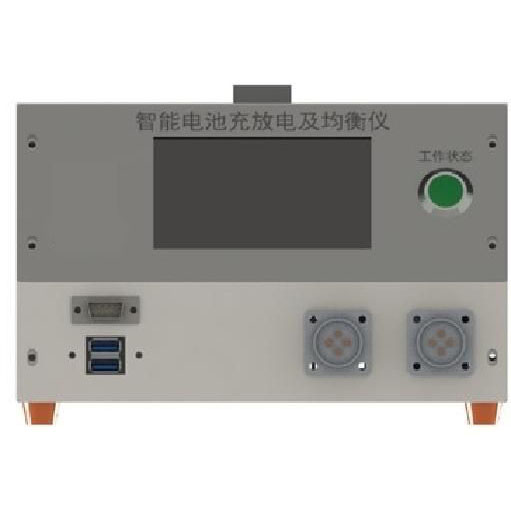
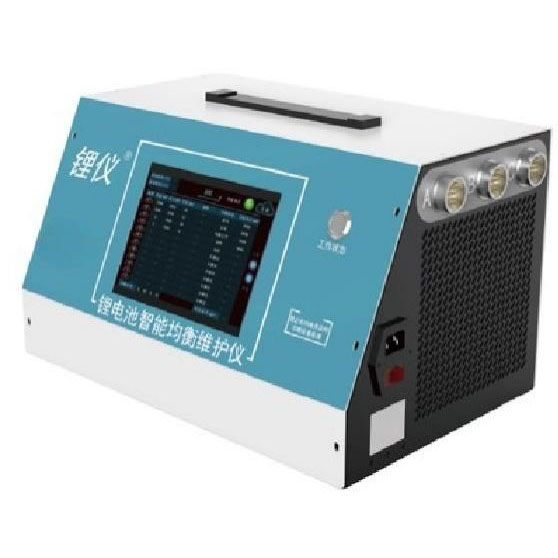
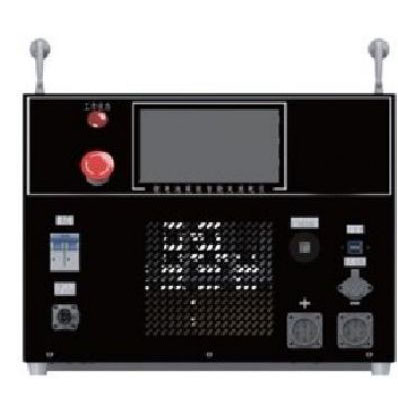
At our factory, we recognize that proper battery management is fundamental to EV performance. That is why we have developed advanced EV Repair Tools designed to execute these technical processes with precision and reliability. Through controlled charging and discharging, technicians can accurately assess battery health, restore balance among cells, and ensure the entire energy storage system operates safely and efficiently.
Why is Module Charging and Discharging Important?
Batteries in electric vehicles consist of multiple individual cells grouped into modules. Over time and through repeated use, these cells can become imbalanced—meaning they hold different charge levels. Such imbalances reduce the overall efficiency of the battery, diminish driving range, and can even pose safety risks. Additionally, when replacing or repairing battery modules, it is crucial to match their voltage levels to those of other modules in the pack.
This is where controlled module charging and discharging becomes indispensable. By using a professional-grade EV Repair Tool, technicians can:
-
Ensure all battery modules operate at the same voltage level.
-
Restore the battery’s original capacity and extend its lifespan.
-
Identify weak or failing modules that need replacement.
-
Maintain the thermal and electrical stability of the battery system.
Proper execution of these procedures helps in preserving the vehicle’s performance and aligns with the high engineering standards of manufacturers like WULING AUTO.
Key Parameters of Our Advanced EV Repair Tool
Our EV Repair Tool is engineered for accuracy, safety, and user-friendliness. It is built to meet the demanding requirements of modern EV servicing. Below is a detailed breakdown of its core parameters presented in both a list and a table for clarity.
Table of Technical Specifications:
| Parameter | Specification | Details |
| Voltage Range | 0 - 100 V | Adjustable in 0.1V steps |
| Current Range | 0 - 50 A | Adjustable in 0.1A steps |
| Power Rating | 0 - 2000 W | |
| Input Power | AC 110V/220V ±10%, 50/60Hz | |
| Efficiency | > 92% | |
| Control Accuracy | Voltage: ±0.1% | Current: ±0.1% |
| Communication | CAN 2.0B, RS485 | Enables communication with BMS |
| Data Sampling | 1000 Hz | High-speed data acquisition |
| Safety Features | OVP, UVP, OCP, OTP, Reverse Polarity | Comprehensive protection |
| Weight | 8.5 kg | Portable design |
This combination of wide operational ranges, high precision, and robust safety features makes our tool an indispensable asset for any professional EV workshop. It ensures that complex procedures like those required for WULING AUTO vehicles are performed correctly.
Frequently Asked Questions (FAQ)
1. What is the primary purpose of module charging and discharging?
The primary purpose is to balance, condition, test, and repair EV battery modules. This process ensures that all cells within a battery pack operate at a uniform voltage, which maximizes the pack's capacity, extends its overall lifespan, and guarantees safe operation. It is a critical step in battery maintenance and refurbishment.
2. How does the EV Repair Tool ensure safety during the process?
Our EV Repair Tool incorporates multiple layers of hardware and software safety protections. These include over-voltage protection (OVP), under-voltage protection (UVP), over-current protection (OCP), and over-temperature protection (OTP). Furthermore, it features automatic shutdown in case of reverse polarity connection or a short circuit, ensuring absolute safety for both the technician and the vehicle's battery system.
3. Can this process recover a battery that has significantly lost range?
In many cases, yes. A noticeable loss in driving range is often caused by voltage imbalances between battery modules. Using our EV Repair Tool to carefully discharge and then recharge the modules to the same level can recalibrate the battery management system (BMS) and restore a significant portion of the lost range. However, if the capacity loss is due to physical degradation of the cells, the process will help identify the faulty modules for replacement.
Why Choose Us?
Understanding what module charging and discharging is, is key to advanced electric vehicle maintenance. It is a precise technical procedure that ensures the heart of the EV—its battery—operates at peak performance and safety. Our factory has dedicated years of research to perfecting the EV Repair Tool, making this complex process accessible, safe, and efficient for professional technicians worldwide. Choose our advanced solutions from SAIC GM Wuling Automobile Co., Ltd.
Next :
Related News
- Service Goes Global: Wuling's After‑Sales Support Warms Overseas Markets
- SGMW's H1 2026 Sales Reach 675,204 Units, Overseas Exports Reach New Heights
- Shenlian Battery Passing All Rigorous Tests of the New National Standard with "Five‑Zero" Safety Strength
- Is the Wuling Cargo Van the Smart Choice for Urban Logistics and Commercial Transport?
- Four Certifications Boost: Binguo S's Battery Safety and Performance Stand Out
- Why Is the Hongguang S EV Becoming a Contender in the New Energy Micro-Surface Market?
Leave me a message