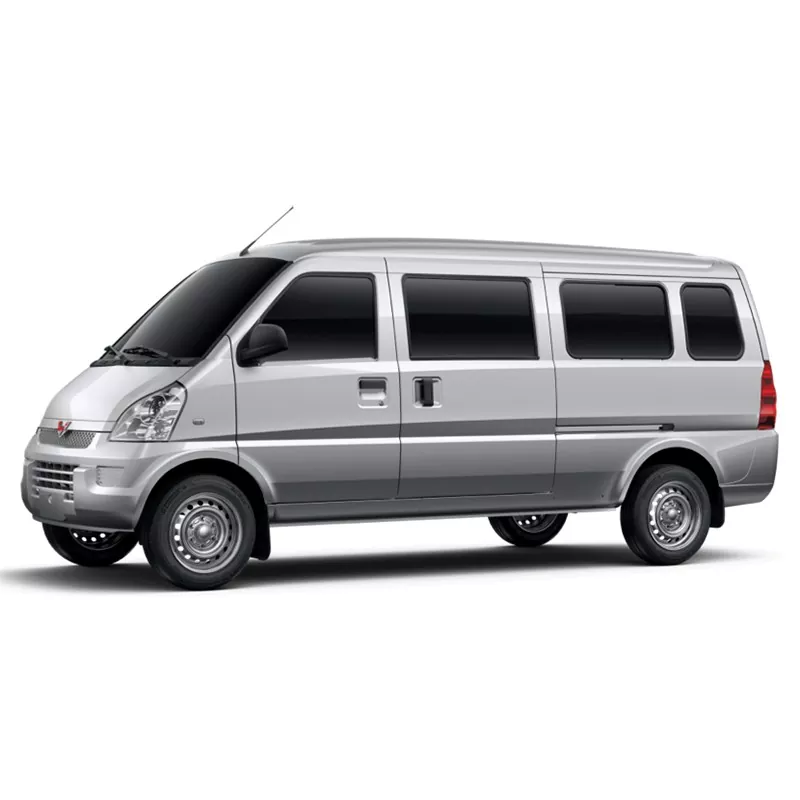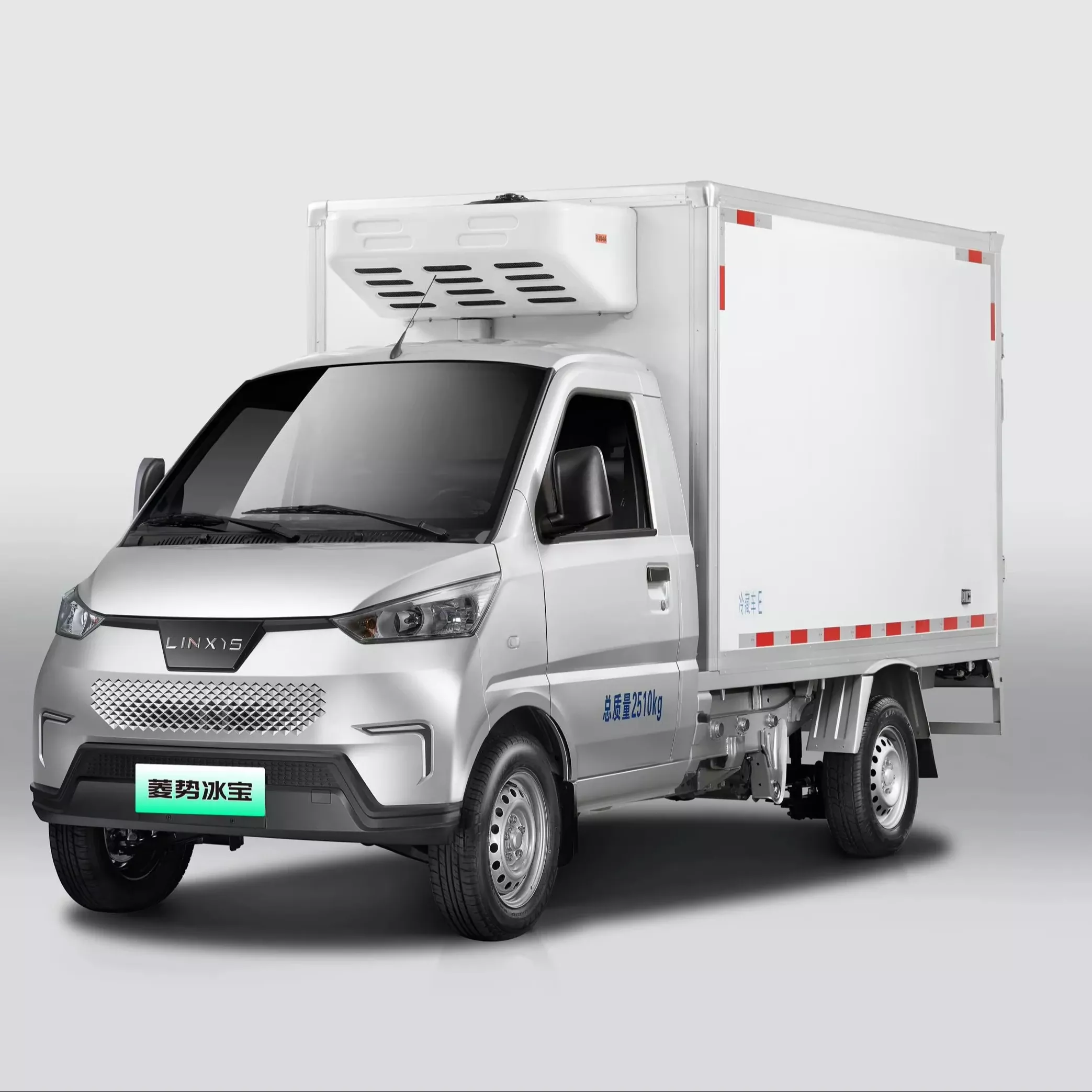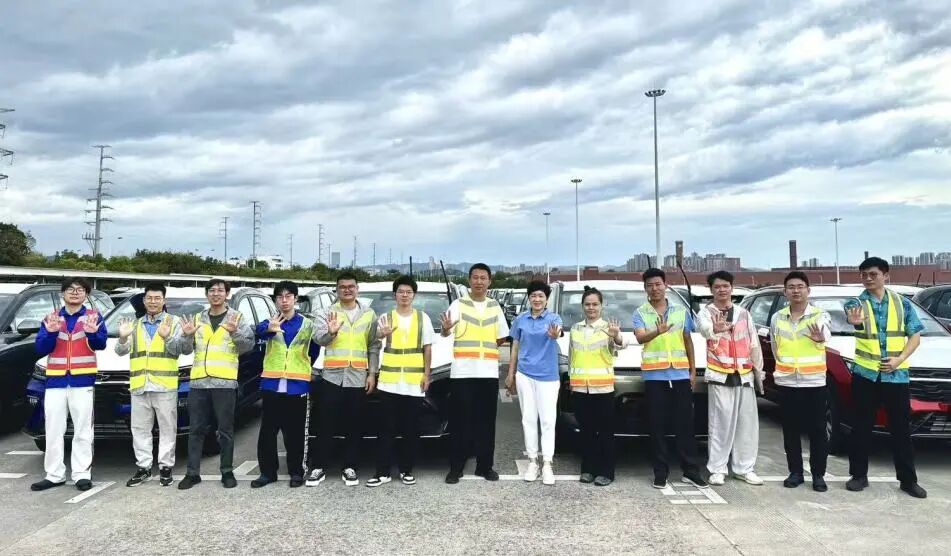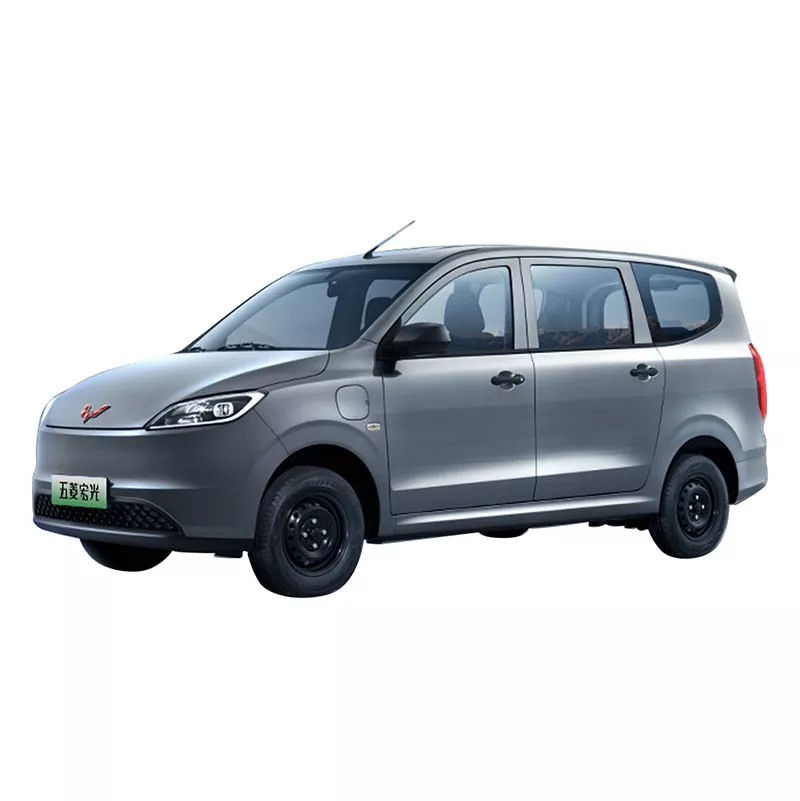

Collaborative efforts across the entire supply chain contribute to innovative development of a benchmark vehicle.
Mold Development: Precisely Benchmarking Key Nodes
A dedicated team led by Senior Manager Guo Weixia in the stamping workshop implemented a dual-track mechanism of "technical evaluation + node management" for local Chongqing mold suppliers. The team focused on three key indicators:
First, the supplier's on-time delivery rate for similar projects over the past three years (reaching 92%);
Second, the CNC level of key processes (five-axis machining equipment accounts for 85%);
Third, the first-pass pass rate for mold trials (target ≥95%). To address the CF510V's unique four-door, two-lid complex curved structure, an innovative "on-site workshop + cloud collaboration" model was implemented. Stamping process engineers were on-site three days a week, performing synchronized parameter adjustments via a real-time data sharing platform, shortening the development cycle by 15 days compared to traditional methods.
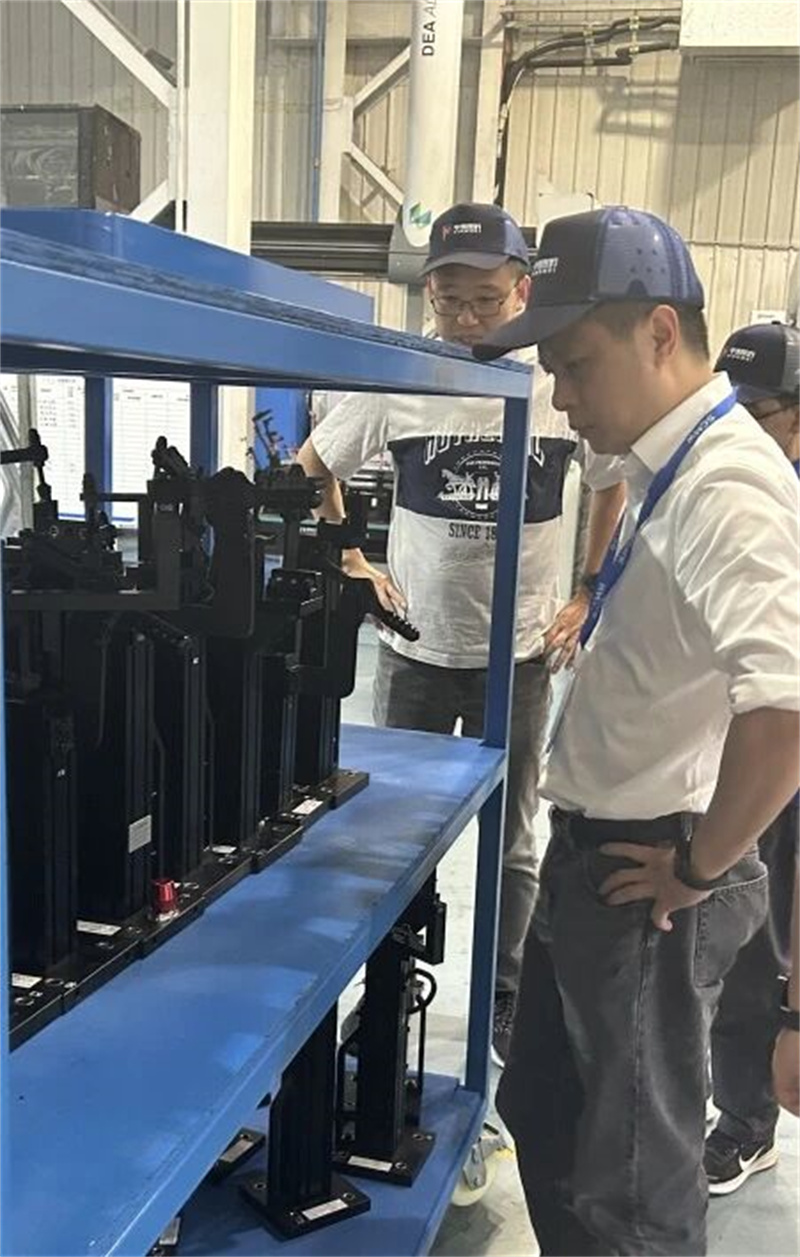
Painting Technology: Solving the Challenge of Positioning Accuracy
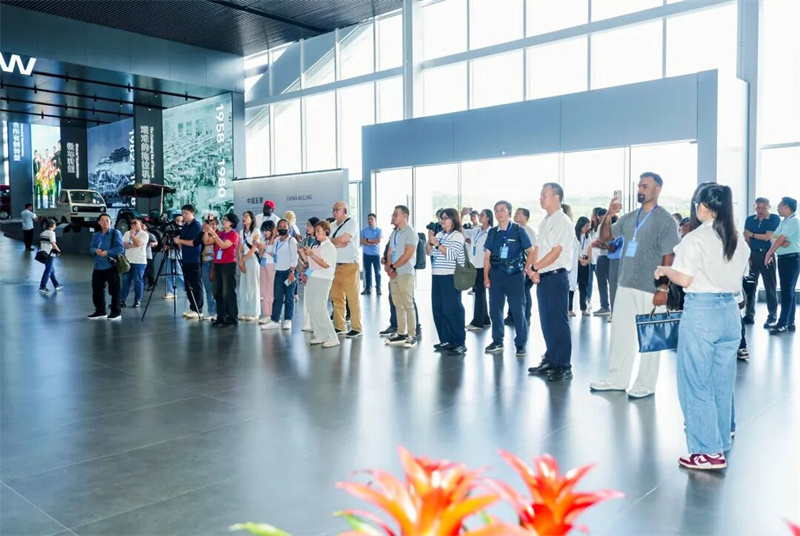
To ensure the steady progress of the CF510V project, the project design supplier team conducted on-site visits to the paint shop. The visit focused on equipment dimensional measurement and positioning accuracy. The coating project team and the supplier team worked closely and efficiently together:
· Both parties precisely measured key equipment dimensions, strictly controlling data accuracy throughout the process to ensure that every set of data was accurate and reliable;
· In-depth discussions were conducted on key issues in the positioning process, and optimal solutions were jointly explored based on actual on-site conditions and project technical requirements.
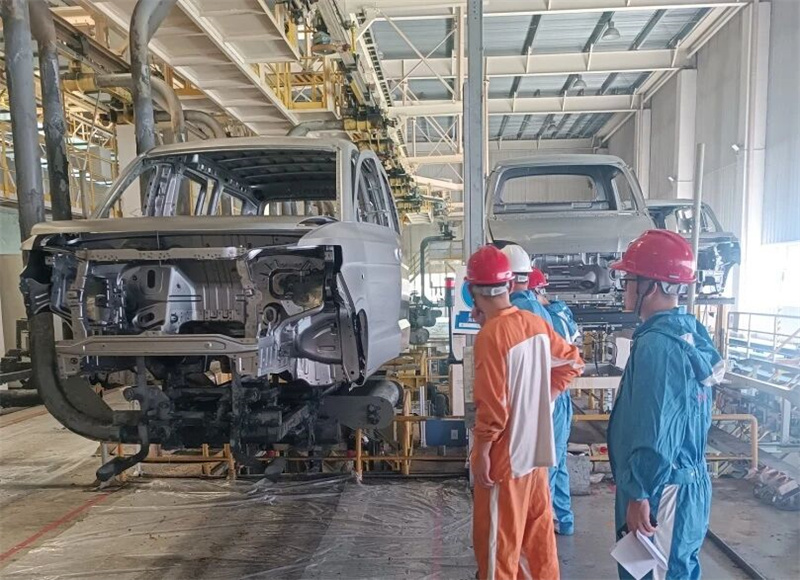
Final Assembly Optimization: Transforming Experience into Cost Reduction and Efficiency Improvement
Based on 104 historical experiences, the final assembly workshop established a "Problem Breakpoint-Process Adaptation" matrix, focusing on addressing three bottlenecks:
First, 35 assembly interference points were identified in advance through digital model reviews;
Second, 34 bolt and nut specifications were standardized and consolidated, resulting in an estimated annual cost reduction of 230,000 yuan;
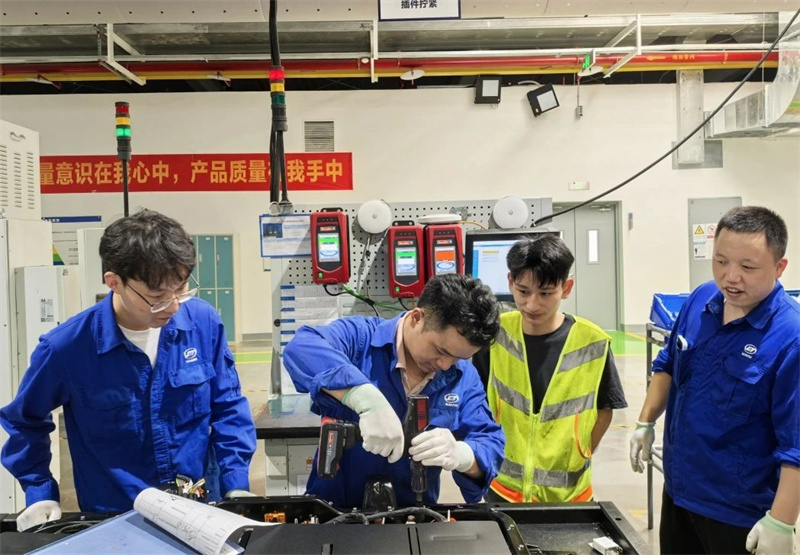
Third, based on a process comparison between existing and new project models, the process addition and deletion lists and overall labor time differences were identified, resulting in nine major structural adjustments to the processes. Furthermore, changes to material addresses corresponding to pre-adjusted processes were identified, and new sorting requirements for 37 types of large materials were identified based on the site layout. To address difficult on-site assembly issues, the workshop proposed solutions and, through collaboration with the TDC and A-level meetings, finalized the optimal approach, building efficient and safe new energy manufacturing process capabilities.
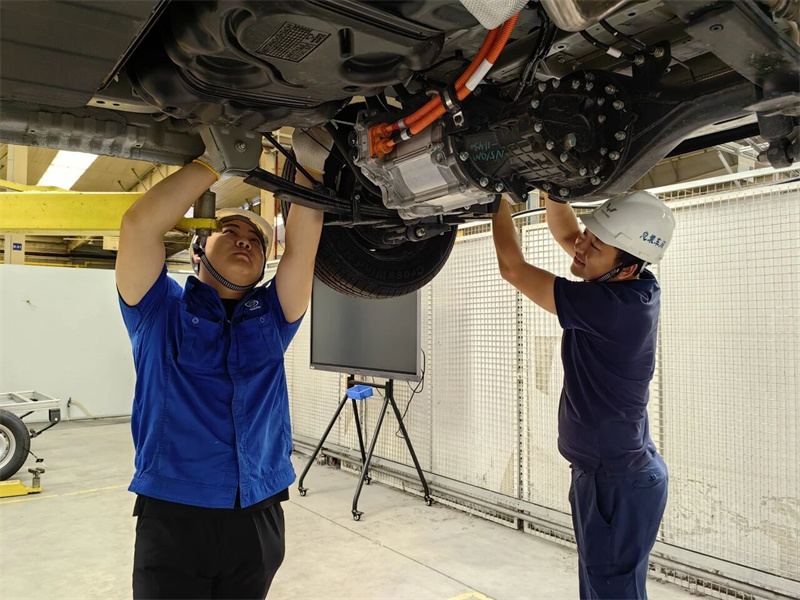
Quality Assurance: Tiered Control Ensures Delivery
The manufacturing quality area implemented a three-level "red, yellow, and green" early warning system. Technical expert Zhang Lan led a team to conduct in-depth diagnostics for 47 core suppliers. For the seven suppliers with red alerts, a "one-factory, one-policy" approach was implemented. For example, a structural parts supplier reduced the cracking defect rate of sample parts from 12% to 3% by implementing a high-speed camera stamping monitoring system. For remote suppliers, a "cloud-based quality corridor" was established, with daily updated trend charts of key parameters. Currently, the on-time sample delivery rate for the OTS1 phase has reached 96%, an 11 percentage point improvement over previous similar projects.
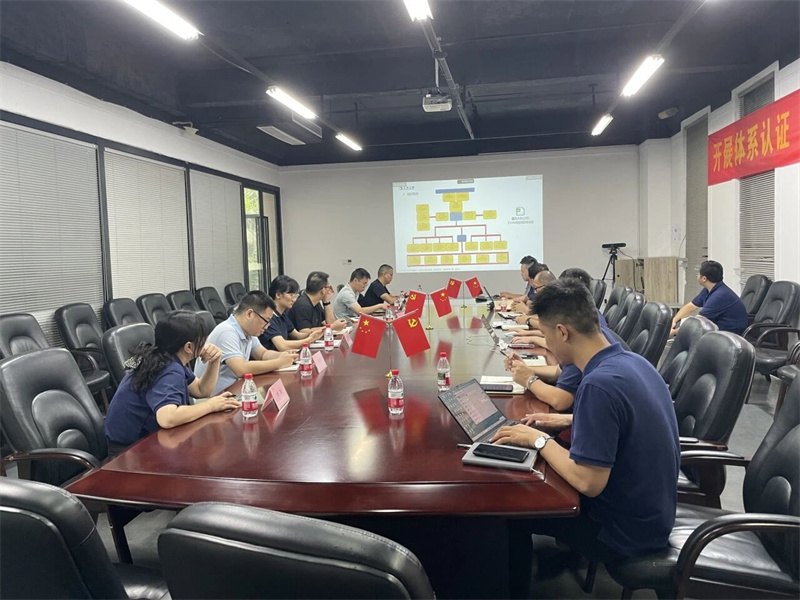
Battery Preparation: Cross-Base Collaborative Training
In anticipation of the upcoming arrival of the SAC battery production line, the powertrain workshop implemented a "Five-Dimensional Empowerment" training program, providing 20 key personnel with specialized training in batches across various areas, including BU development (8 hours), process simulation (12 hours), equipment operation certification (56 hours), quality inspection (24 hours), and production scheduling (16 hours). Simultaneously, 12 factory renovations were implemented, including upgrading the floor's dustproof rating to ISO 8 and installing an intelligent material rack positioning system. This ensured that the equipment was positioned and installed within 72 hours of its arrival in September.
Supply Chain Assurance: Preemptively Addressing Risks
The VAC team established an innovative "3x3" assurance system: three potential suppliers were identified for production capacity, a "Technical Sharing Engineer" mechanism was implemented for personnel, and a strategic reserve inventory was established for materials. For the high-risk seat frame supplier, the SQE and PE teams jointly completed 18 mold process error-proofing design improvements, reducing the number of potential quality risk points from 27 to 6. By taking measures such as pre-changing material addresses and pre-releasing sorting requirements, the logistics preparation cycle is shortened to 14 days, the industry benchmark level.
Related News
- Reaching New Customer Groups, Capturing New Growth! Eksion (Xingguang 560) Officially Launched in Indonesia
- Led by SGMW! Guangxi New Energy Vehicle High‑End Aluminium Alloy Components Innovation Consortium Officially Inaugurated
- ECE Certification Capability Upgraded! SGMW Joins Forces with Hetong Certification to Strengthen Global Expansion
- Three Global Pioneering Initiatives: SGMW Shows the World China's Intelligent Manufacturing
- Lingxi Drive Mastery, Craftsmanship Empowers: The Power Core Secret of the Huajing S
- Five‑Star Drive Motor Certification! Binguo Pro Proves Its Strength
Leave me a message