
Five‑Star Drive Motor Certification! Binguo Pro Proves Its Strength
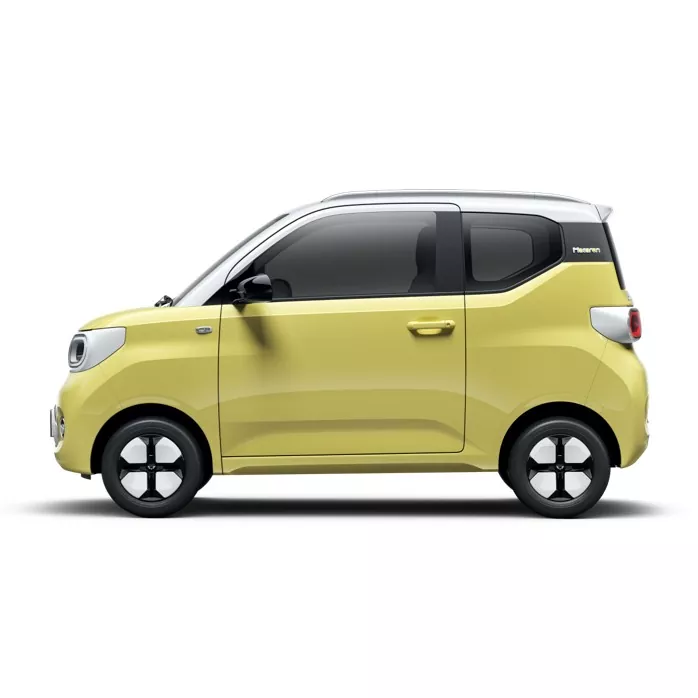
On May 22, the Binguo Pro was officially launched. Prior to its release, the vehicle had already secured over 50,000 pre‑sale orders during the booking period, with more than 10,000 units delivered in the initial phase, maintaining strong market momentum. The new model carries forward the stylish and dynamic design of the Binguo family while setting a new benchmark in its class with its solid performance. Equipped with the Lingxi Drive twelve‑in‑one super electric drive, it successfully passed rigorous testing across five dimensions and earned the China Automotive Research Institute (CAERI) Kairui Five‑Star Drive Motor Certification. With its outstanding performance, it confidently adapts to diverse scenarios ranging from urban commuting to intercity travel, delivering a high‑quality pure‑electric driving experience for users.
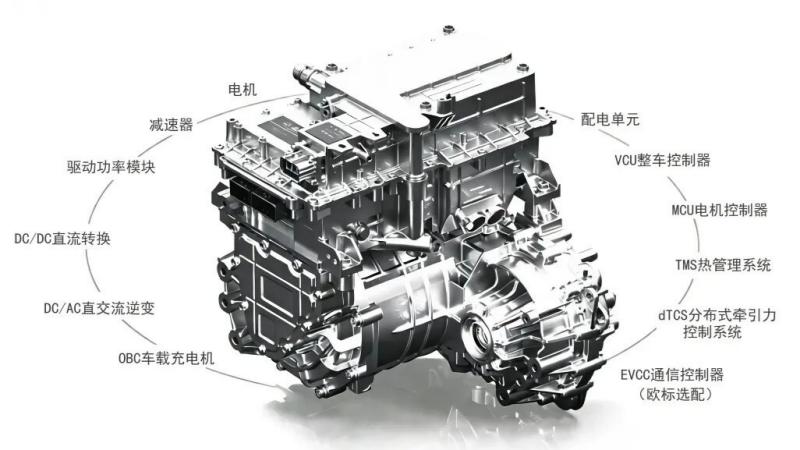
Twelve‑in‑One Super Electric Drive
01
Five‑Star Certification: A Leap Forward
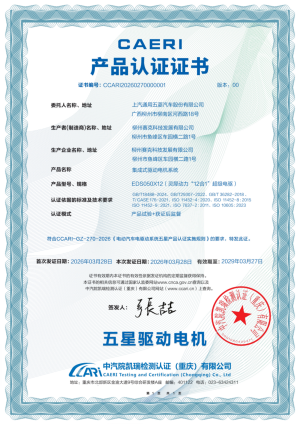
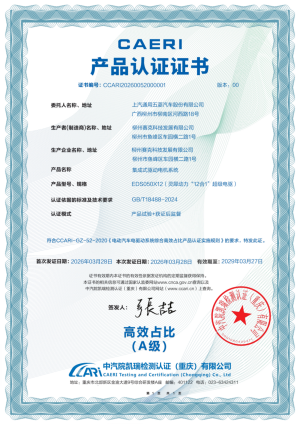
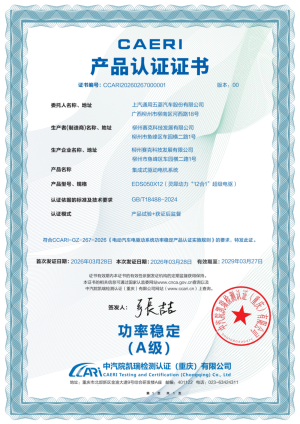
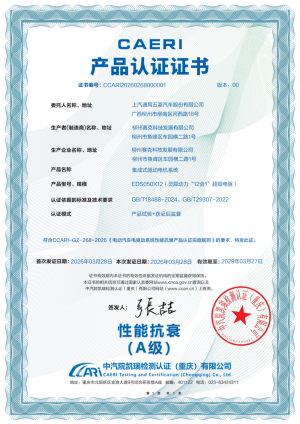
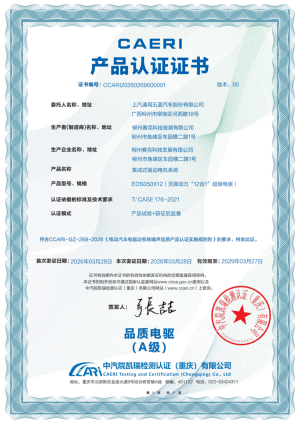
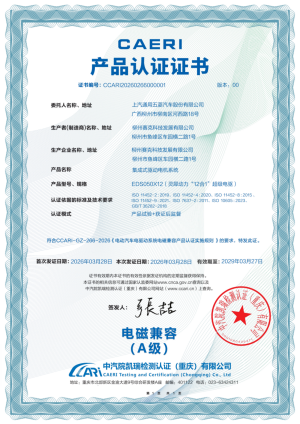
Twelve‑in‑One Super Electric Drive Certificates
This certification focuses on the core performance and operational reliability of the electric drive, comprehensively evaluating energy efficiency output, operating status, and reliability across all operating conditions.
Several key indicators received an A‑grade rating. Efficiency ratio achieved an A‑grade with a peak drive efficiency of 97.5%, delivering smooth starts, rapid acceleration, and ample climbing power. Power stability received an A‑grade, ensuring consistent and durable power delivery. Performance durability earned an A‑grade, guaranteeing reliable and long‑lasting quality. Quality drive received an A‑grade with improved NVH performance for a more comfortable driving experience. Electromagnetic compatibility achieved an A‑grade, ensuring stable operation of electronic devices and enhanced driving safety. This certification marks a significant leap forward in SGMW's "pure electric + hybrid + traditional power" three‑powertrain technology portfolio, representing a new era of advancement in pure‑electric core technology.
02
High‑Efficiency Integration: Collaborative Breakthroughs
The R&D team focused on the development direction of high integration, high efficiency, and high intelligence, directly addressing industry pain points such as low integration, insufficient space utilisation, and high energy loss in traditional electric drives, ultimately completing the twelve‑in‑one integrated development. The team underwent multiple rounds of solution iteration, digital simulation, and bench testing, finalising a lightweight technology path integrating domain controllers, power modules, and power supply modules. Leveraging full‑stack self‑development capabilities, they achieved multi‑chip integration, selected optimal components, and refined manufacturing processes.
Compared with the previous generation, the electric drive system volume has been reduced by 25%, front‑compartment space utilisation increased by 10%, power density improved by 20%, and stray inductance reduced by 12%, with comprehensive upgrades in system reliability, energy transmission efficiency, and durability.
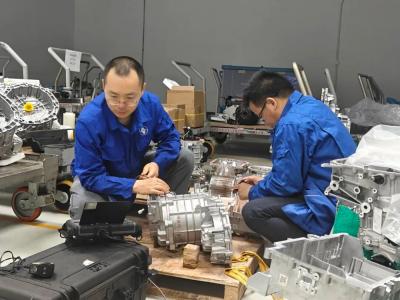
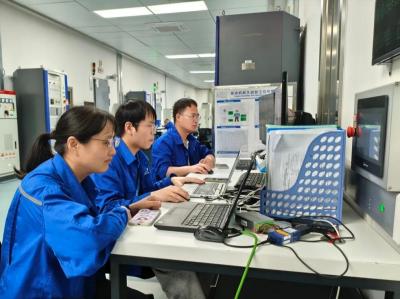
Engineers at work
The team deepened software refinement calibration, systematically addressing hardware adaptation challenges, and developed a unified software architecture compatible with multiple power modules and motor variants. Through precise tuning and rigorous parameter matching, they effectively resolved multi‑component collaborative adaptation issues, ensuring consistent operating conditions and balanced performance across diverse hardware combinations, significantly enhancing platform versatility and product adaptability. With the core technological advantage of software‑hardware synergy, they solidified the competitiveness of product quality.
Based on user daily travel needs, through magnetic circuit optimisation and refined winding design, they completed custom development of a 65kW high‑performance dedicated motor. This motor achieves a peak speed exceeding 16,000 rpm, a 15% improvement over the previous generation, with a peak efficiency of 97.5% and a 2% increase in overall system efficiency, delivering both strong power and energy savings.
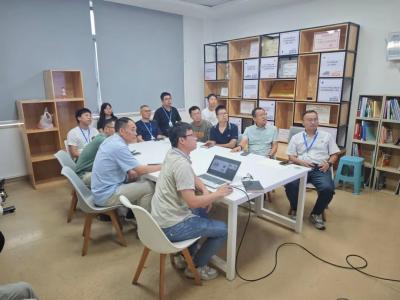
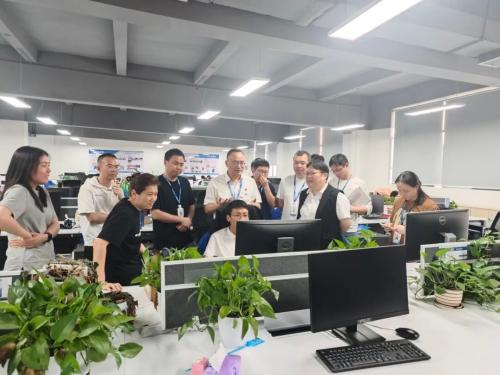
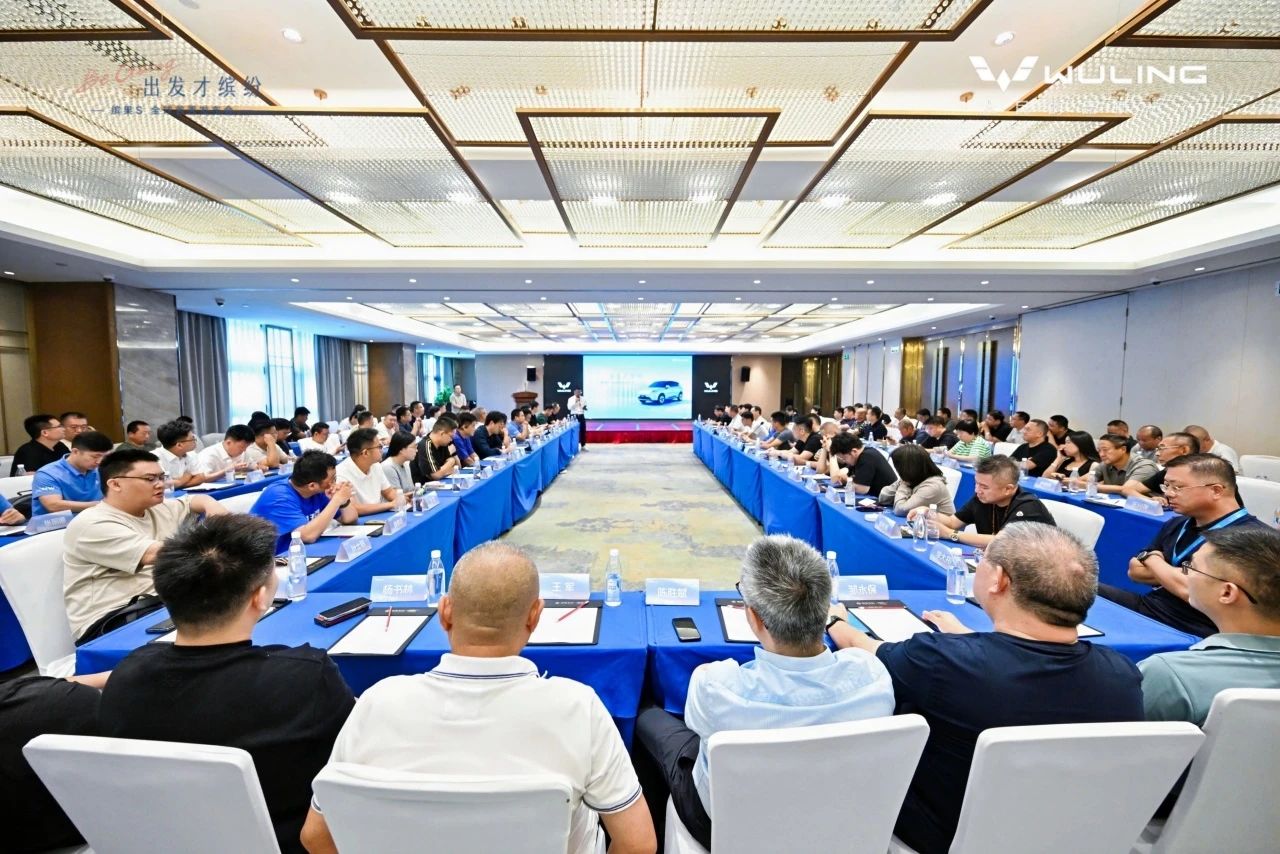
Multi‑party joint reviews
03
R&D and Production Integration: Mutual Empowerment
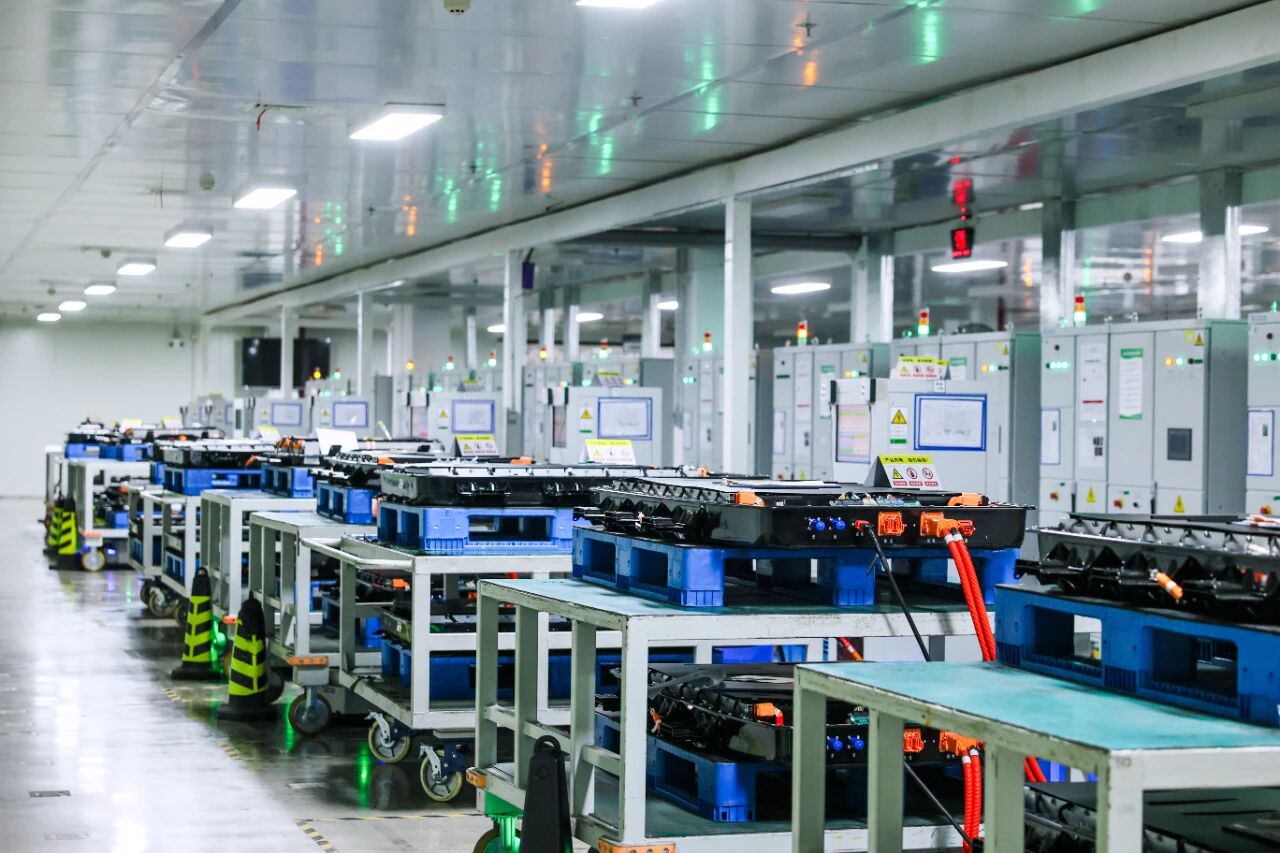
Facing the triple challenges of product architecture, manufacturing processes, and intelligent equipment brought by deep integration, SGMW and Saike Technology established close collaboration from the very beginning of the project, aligning product design with mass‑production manufacturing processes from the outset. The two parties formed a joint task force, with R&D personnel stationed on the production line throughout the process, following assembly trials and end‑of‑line testing, identifying and optimising production pain points in real time. After six months of intensive work, the joint team completed multiple process reviews and equipment commissioning, establishing a smart electric drive production line featuring full‑process online inspection and end‑to‑end data traceability, laying a solid foundation for the high‑quality and efficient delivery of the Binguo Pro.
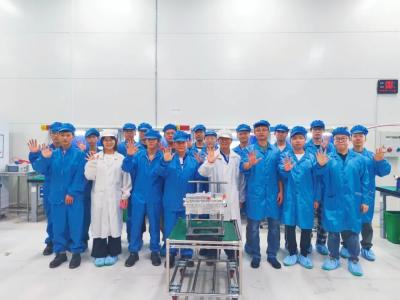
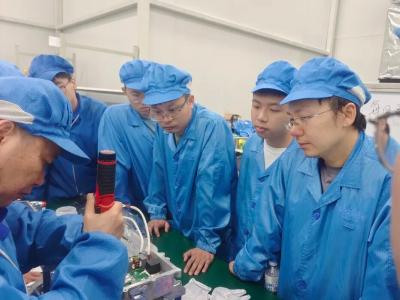
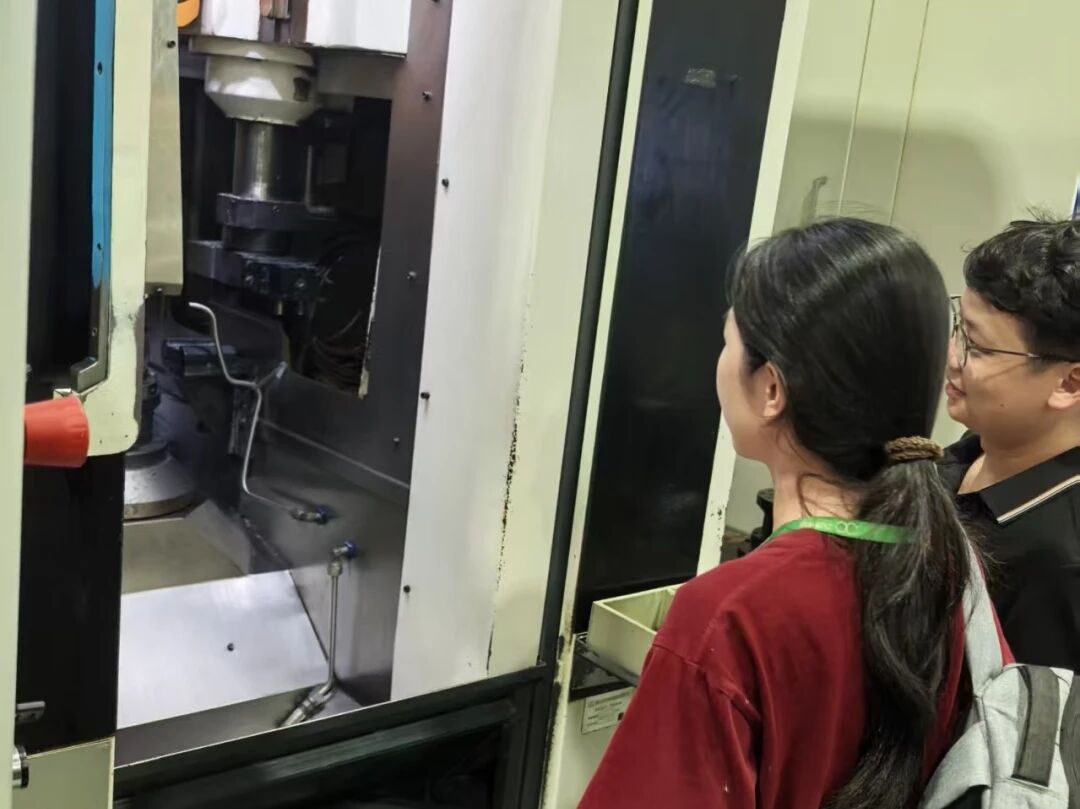
Engineer production line reviews
The Binguo Pro is not only a cost‑effective, high‑reliability quality pure‑electric vehicle but also a benchmark model demonstrating the iterative upgrade of Lingxi Drive technology. It fully reflects SGMW's commitment to building cars for the people and its development philosophy of pursuing precise R&D breakthroughs. Looking ahead, SGMW will continue to introduce more practical and accessible products and innovations, bringing advanced electric drive technology to a wider user base and contributing to a new stage of high‑quality development for China's automotive industry.
Related News
- Reaching New Customer Groups, Capturing New Growth! Eksion (Xingguang 560) Officially Launched in Indonesia
- Led by SGMW! Guangxi New Energy Vehicle High‑End Aluminium Alloy Components Innovation Consortium Officially Inaugurated
- ECE Certification Capability Upgraded! SGMW Joins Forces with Hetong Certification to Strengthen Global Expansion
- Three Global Pioneering Initiatives: SGMW Shows the World China's Intelligent Manufacturing
- Lingxi Drive Mastery, Craftsmanship Empowers: The Power Core Secret of the Huajing S
- Huajing S Shines in Launch, Setting New Benchmark for SUV Safety
Leave me a message